

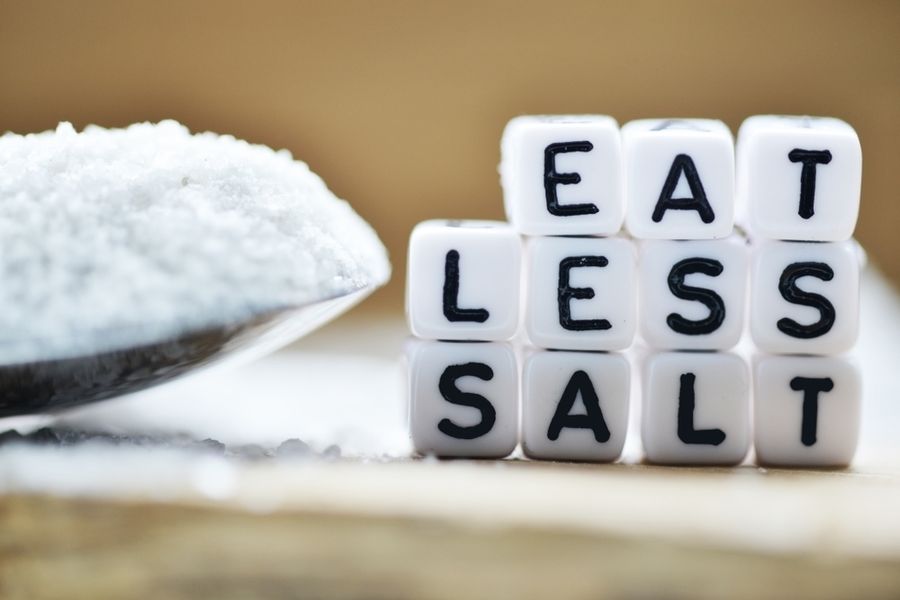
Reducing sodium intake is one of the most practical ways to support long-term health, especially for people managing blood pressure or looking to improve daily habits. Many common foods contain more sodium than expected, often hidden in packaged items and pantry staples. The good news is that small changes can make a big difference. By swapping out high-sodium ingredients for better alternatives, you can build meals that still taste good while helping you stay on track.
Replacing High-Sodium Seasonings with Flavorful Alternatives
Many people rely on salt or salt-heavy blends to add flavor, but there are simple ways to reduce this without losing taste. Instead of using regular table salt or pre-mixed seasoning packets, you can switch to salt-free spice blends or individual herbs like garlic powder, paprika, oregano, and black pepper.
Lemon juice, vinegar, and fresh herbs also add strong flavor without increasing sodium. These ingredients help bring out natural tastes in food, which makes meals more enjoyable without needing extra salt. Over time, your taste preferences can adjust, making it easier to rely less on sodium-heavy seasonings.
Choosing Low-Sodium Broths and Stocks
Canned broths and stocks are common pantry items, but many contain high levels of sodium. Switching to low-sodium or no-salt-added versions can reduce intake without changing how you cook. These options are widely available and work just as well in soups, sauces, and rice dishes.
Another approach is to make simple broth at home using vegetables and herbs. This allows you to control exactly what goes into your food. Whether you choose store-bought or homemade, this swap is one of the easiest ways to lower sodium across many meals.
Swapping Processed Snacks for Whole Options
Packaged snacks like chips, crackers, and pretzels are often high in sodium. Replacing these with whole food options can help reduce intake while still providing satisfying choices. Fresh fruits, unsalted nuts, and plain popcorn are simple alternatives that are easy to keep on hand.
If you prefer packaged snacks, look for versions labeled as low-sodium or unsalted. Many brands offer these options, which can help you maintain convenience without the extra salt. Making this change can have a strong impact since snacks are often eaten daily.
Using Low-Sodium Canned Goods and Rinsing Ingredients
Canned beans, vegetables, and other goods are convenient but can contain added sodium. Choosing low-sodium or no-salt-added versions is a simple swap that helps lower overall intake. These products are easy to find and can be used in the same way as regular canned items.
Rinsing canned beans or vegetables under water can also help reduce sodium levels. This quick step removes some of the added salt without affecting the texture too much. Combining these two habits can make a noticeable difference in everyday meals.
Replacing Processed Meats with Fresh Proteins
Processed meats like deli slices, bacon, and sausage are often high in sodium. Swapping these for fresh proteins such as chicken, fish, or lean cuts of beef can help reduce intake while still providing satisfying meals. Cooking these items at home also gives you more control over seasoning.
If you still want the convenience of ready-to-eat options, look for low-sodium versions or limit how often they are used. Building meals around fresh ingredients makes it easier to manage sodium without sacrificing flavor or variety.
Choosing Simple Condiment Alternatives
Condiments like soy sauce, ketchup, and salad dressings can add a large amount of sodium in small servings. Switching to low-sodium versions of these products can help reduce intake while keeping familiar flavors.
You can also make simple alternatives at home using basic ingredients. For example, mixing olive oil, vinegar, and herbs creates a low-sodium dressing that works well for salads and vegetables. Small changes like this can reduce sodium without making meals feel restrictive.
Building a Routine That Supports Lower Sodium Intake
Making one or two swaps at a time is often more effective than trying to change everything at once. Start by identifying the foods you use most often and look for lower-sodium alternatives. This helps create a routine that feels manageable and sustainable.
Reading labels can also help you stay aware of how much sodium is in your food. Over time, these small adjustments become habits, making it easier to maintain a lower-sodium diet without extra effort. Consistency is key to making these changes work long term.
Creating Lasting Change with Simple Pantry Swaps
Building a low-sodium diet does not require a complete overhaul of your meals. By making simple pantry swaps—such as using low-sodium broths, choosing whole snacks, and replacing processed meats—you can reduce sodium while still enjoying your food.
These small changes add up over time and help create a more balanced routine. With a thoughtful approach, it is possible to support your health without making your meals complicated or difficult to maintain.