

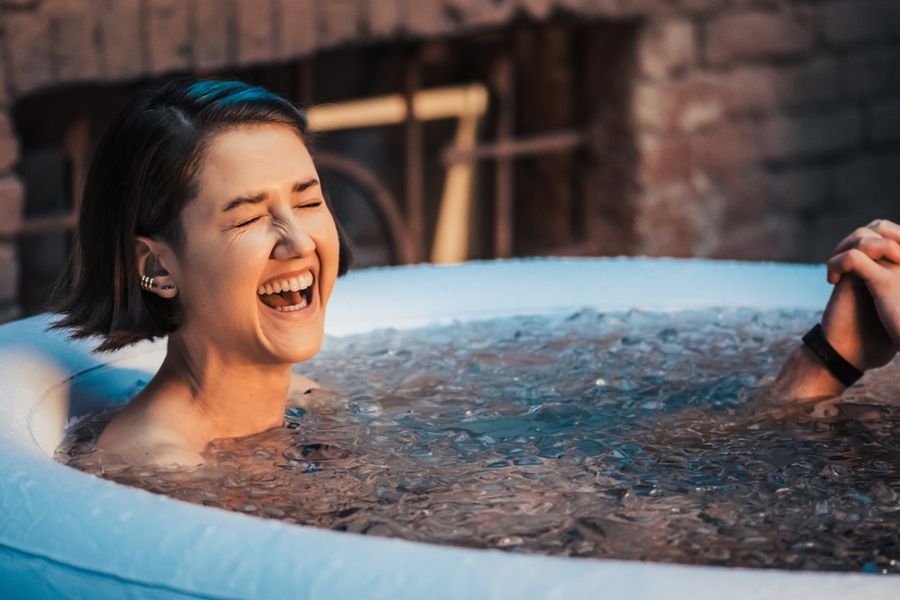
Cold plunge tubs have become a popular way to support recovery after exercise and improve daily routines. Many people use cold water immersion to reduce soreness and feel more refreshed. While the idea is simple, using a cold plunge safely requires some basic knowledge and careful habits. With the right approach, it can be a useful tool for recovery and circulation. Understanding how to prepare, use, and manage sessions is key to getting benefits without unnecessary risk.
Understanding How Cold Plunge Tubs Work
A cold plunge tub is filled with cold water, often kept at a steady low temperature. When you enter the water, your body reacts by tightening blood vessels and slowing surface circulation. After you leave the tub, blood flow returns to normal, which can create a feeling of warmth and recovery.
This process is one reason people use cold plunges after physical activity. The shift in circulation may help reduce the feeling of soreness and improve how the body feels over time. While results can vary from person to person, the key is using the tub in a controlled and consistent way rather than rushing into extreme conditions.
Starting Slowly to Let Your Body Adjust
Jumping into very cold water right away can be uncomfortable and difficult to manage. A safer approach is to start with shorter sessions and slightly higher temperatures. This gives your body time to adjust and helps you understand how it reacts to the cold.
In the beginning, staying in the tub for a brief period is enough to experience the effect. Over time, you can slowly increase how long you stay in the water. Paying attention to your comfort level is important, as pushing too far too quickly can lead to unnecessary stress on the body.
Maintaining Safe Water Temperatures
Keeping the water at a safe temperature is one of the most important parts of using a cold plunge tub. Water that is too cold can be difficult to tolerate and may cause discomfort beyond what is helpful. Many users keep temperatures low but manageable so that sessions remain controlled.
Using a thermometer or built-in system can help you monitor conditions. This ensures that each session is consistent and predictable. Avoid making sudden changes in temperature, as gradual adjustments are easier for your body to handle.
Limiting Session Time for Better Results
Spending too much time in cold water does not always improve results. In fact, shorter sessions are often more effective and easier to manage. Staying within a reasonable time frame helps reduce the risk of overexposure to cold conditions.
It is helpful to set a timer or follow a simple routine so that you do not lose track of time. Ending the session while you still feel comfortable can lead to a better overall experience. This approach supports recovery without placing extra strain on the body.
Paying Attention to Your Body’s Signals
Your body will give clear signals if something feels off during a cold plunge. Shivering, numbness, or discomfort are signs that it may be time to exit the tub. Listening to these signals is important for staying safe.
Cold exposure affects people differently, so it is important to focus on how you feel rather than comparing your routine to others. Taking breaks and adjusting your approach based on your experience helps you build a routine that works for you.
Creating a Simple Post-Plunge Routine
What you do after a cold plunge is just as important as the session itself. Once you leave the tub, your body begins to warm up again. Drying off and putting on warm clothing can help this process happen more comfortably.
Some people choose to move around lightly after a session to support circulation. Others prefer to rest and allow their body to return to a normal state. Keeping this routine simple helps maintain the benefits of the plunge without adding extra stress.
Using Cold Plunge Tubs as Part of a Balanced Routine
Cold plunges work best when used as part of a larger recovery plan. This can include stretching, proper hydration, and regular rest. Relying on one method alone is less effective than combining several simple habits.
It is also important to use cold plunges at the right time. Many people use them after workouts or at the beginning of the day. Finding a schedule that fits your routine helps you stay consistent and get the most out of each session.
Building a Safe and Effective Cold Plunge Routine
Cold plunge tubs can be a useful tool for recovery and circulation when used carefully. By starting slowly, maintaining safe temperatures, and limiting session time, you can reduce risk and improve comfort.
Paying attention to your body and following a simple routine helps create a steady approach. Over time, consistent and mindful use can make cold plunging a practical part of your overall wellness routine.