

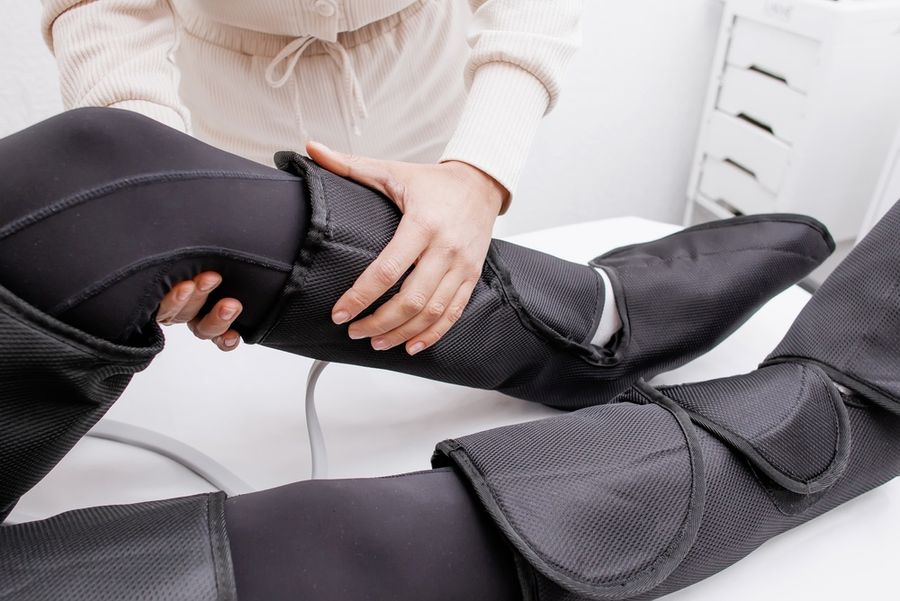
Compression boots have become a popular recovery tool for people who want to support muscle recovery without leaving home. Modern devices use controlled air pressure to gently squeeze the legs, which can help improve circulation and reduce the feeling of soreness after activity. While they are simple to use, getting the most out of them requires a basic routine and proper setup. With the right approach, compression boots can become a steady part of a recovery plan.
Understanding How Compression Boots Work
Compression boots are designed with chambers that fill with air in a set pattern. This creates a pulsing pressure that moves up the legs, starting from the feet and working upward. The motion is meant to support blood flow and reduce the feeling of heaviness that can follow long periods of standing or exercise.
This process is often compared to a massage, but it is more structured and consistent. The repeated pressure helps move fluid through the legs, which can make them feel lighter and less tight. While results can vary, many users find that regular sessions help improve how their legs feel after workouts or long days.
Choosing the Right Time to Use Them
Timing plays an important role in how effective compression boots can be. Many people use them after workouts, when muscles feel tired or tight. This allows the body to begin recovery sooner and can help reduce the feeling of soreness later.
They can also be used at the end of the day, especially if you spend a lot of time sitting or standing. Using them during rest periods helps your body recover without adding more strain. Keeping sessions consistent, rather than occasional, often leads to better results over time.
Setting Up for a Safe and Comfortable Session
Before using compression boots, it is important to set up a comfortable space. Sit or lie down in a position where your legs can stay relaxed during the session. Make sure the boots fit properly and are secured without being too tight.
Most devices allow you to adjust pressure levels and session length. Starting with a lower setting is a safer way to understand how your body reacts. As you become more familiar with the device, you can adjust the settings to match your comfort level. Staying relaxed during the session helps improve the overall experience.
Keeping Sessions Within a Safe Time Range
Using compression boots for too long is not necessary to see benefits. While some people aim for 20-30 minute sessions, short, controlled intervals are often enough to support recovery. Setting a timer or following the device’s built-in program can help you stay within a safe range.
It is important to avoid the idea that longer sessions always lead to better results. Keeping sessions consistent and moderate is more effective than using the device for extended periods. This approach reduces the chance of discomfort and makes it easier to maintain a routine.
Paying Attention to Your Body’s Response
Listening to your body is key when using compression boots. The pressure should feel firm but not painful. If you notice discomfort, numbness, or unusual sensations, it is important to stop the session and adjust the settings.
Everyone responds differently to compression, so it is important to find a level that feels right for you. Paying attention to how your legs feel after each session can help guide future use. Making small adjustments over time helps create a routine that works well for your needs.
Combining Compression with Other Recovery Habits
Compression boots are most effective when used as part of a larger recovery routine. Staying hydrated, stretching, and getting enough rest all support muscle recovery. These simple habits work alongside compression to improve overall results.
Using compression boots after light stretching can be especially helpful. This combination allows muscles to relax while also supporting circulation. Keeping the routine simple makes it easier to stay consistent and avoid overcomplicating recovery.
Maintaining Your Equipment for Long-Term Use
Taking care of your compression boots helps ensure they work properly over time. After each session, it is a good idea to wipe them down and store them in a clean, dry place. This helps prevent wear and keeps the device in good condition.
Regularly checking for any signs of damage or wear is also important. Keeping the equipment in good shape allows you to rely on it as part of your routine. Proper care supports both performance and long-term use.
Building a Simple and Effective Recovery Routine
Compression boots can be a useful tool for muscle recovery when used with care and consistency. By understanding how they work, setting up sessions properly, and keeping them within a safe range, you can support circulation and reduce soreness.
Combining them with simple habits like stretching and rest helps improve results over time. With a steady approach, compression boots can become a practical part of a balanced at-home recovery routine.