

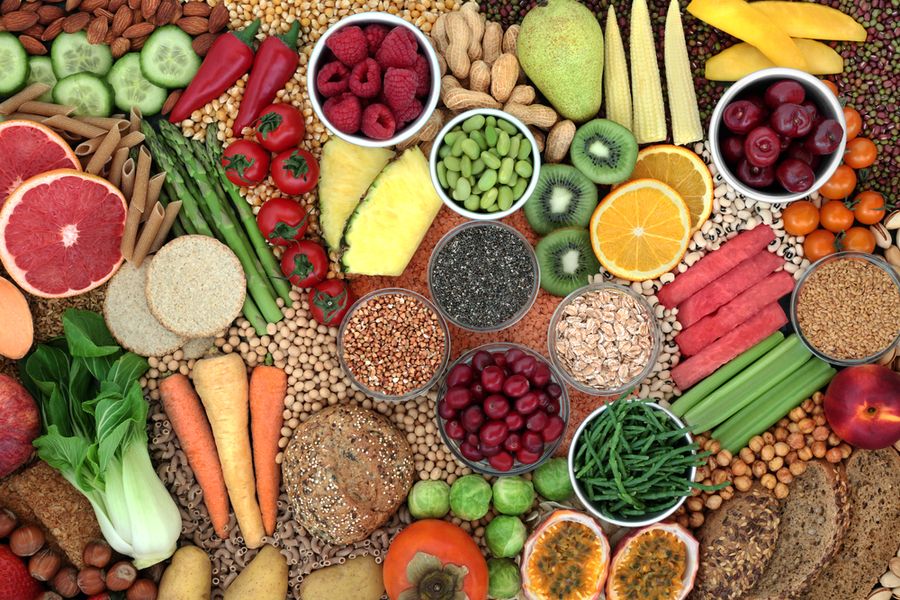
Building a high-fiber diet does not require complicated meal plans or hard-to-find ingredients. Many simple foods found in everyday grocery stores can help support digestion and overall health. Fiber plays an important role in keeping your system running smoothly and helping you feel full throughout the day. By focusing on a few reliable staples, you can create balanced meals that are easy to prepare and maintain over time without adding extra stress to your routine.
1) Whole Grains as a Strong Daily Foundation
Whole grains are one of the most dependable sources of fiber and should be a regular part of your grocery list. Foods like oats, brown rice, quinoa, and whole wheat bread provide steady fiber along with other nutrients. These options are easy to use in a wide range of meals, from breakfast to dinner.
Oatmeal is a simple starting point for the day, while brown rice or quinoa can be used as a base for lunch or dinner. Choosing whole grain versions instead of refined grains helps increase fiber intake without changing your routine too much. Over time, these small swaps can make a noticeable difference.
2) Beans and Lentils for Filling, Fiber-Rich Meals
Beans and lentils are some of the most effective high-fiber foods you can keep on hand. Options like black beans, chickpeas, kidney beans, and lentils are easy to store and work well in many recipes. They can be added to soups, salads, or simple bowls for a quick and filling meal.
These foods are also versatile and can be used as a main ingredient or a side. Canned versions are convenient for quick use, while dried options can be prepared in larger batches. Including beans and lentils regularly helps build meals that are both satisfying and balanced.
3) Fresh Fruits for Easy Daily Fiber
Fruits are one of the easiest ways to add fiber to your diet without extra effort. Apples, pears, and raspberries are common options that are widely available and easy to include in snacks or meals. Keeping the skin on fruits like apples and pears can help increase fiber intake.
Fruits can be eaten on their own, added to breakfast, or blended into smoothies. They offer a simple way to add variety while supporting your daily fiber goals. Choosing whole fruits instead of juices helps maintain the fiber content and keeps meals more balanced.
4) Vegetables That Support Consistent Intake
Vegetables are another key part of a high-fiber diet. Options like broccoli, carrots, spinach, and Brussels sprouts are easy to prepare and work well in many dishes. These vegetables can be roasted, steamed, or added to stir-fries and soups.
Keeping a mix of fresh and frozen vegetables makes it easier to include them in your meals throughout the week. Frozen vegetables can be especially helpful for quick meals without extra prep. Adding vegetables to each meal helps create a steady source of fiber without major changes.
5) Nuts and Seeds for Small but Powerful Additions
Nuts and seeds may be small, but they can add meaningful amounts of fiber to your diet. Almonds, chia seeds, flaxseeds, and sunflower seeds are easy to store and simple to use. They can be sprinkled on yogurt, oatmeal, or salads for an extra boost.
Because they are easy to carry, they also work well as snacks. Adding a small amount to meals or snacks helps increase fiber without requiring major changes. They also add texture, which can make meals more enjoyable.
6) High-Fiber Cereals for a Quick Start
High-fiber cereals can be a convenient option for busy mornings. Many cereals are designed to provide a strong fiber base, making them a simple choice when time is limited. Pairing cereal with milk or a dairy-free alternative creates a quick and balanced meal.
It is important to choose cereals that focus on whole grains and fiber rather than added sugars. Checking labels can help ensure you are getting the benefits you want. This option works well for people who prefer a fast and easy breakfast routine.
7) Root Vegetables for Hearty Meals
Root vegetables like sweet potatoes and carrots provide both fiber and a satisfying texture. These foods can be baked, roasted, or mashed, making them easy to include in different types of meals. They work well as sides or as part of a main dish.
Sweet potatoes, in particular, are a versatile option that can be used in both savory and simple meals. Including root vegetables in your grocery staples helps add variety while maintaining a steady fiber intake.
Building a Simple and Sustainable High-Fiber Routine
Creating a high-fiber diet does not require complex planning or unusual foods. Staples like whole grains, beans, fruits, vegetables, nuts, high-fiber cereals, and root vegetables provide a strong foundation for everyday meals.
By keeping these items on hand and using them regularly, you can build a routine that supports digestion and overall balance. Over time, simple choices can lead to a more consistent and sustainable approach to healthy eating.