

Heating and cooling a home can use a large amount of energy, especially when air escapes through weak spots in walls, ceilings, and windows. Many homeowners look for ways to reduce the waste without making major changes to their property. Improving insulation is one of the most effective steps you can take. With the right methods, you can keep indoor temperatures more stable, reduce strain on your system, and make your home more comfortable year-round.
Fiberglass Insulation for Reliable Coverage
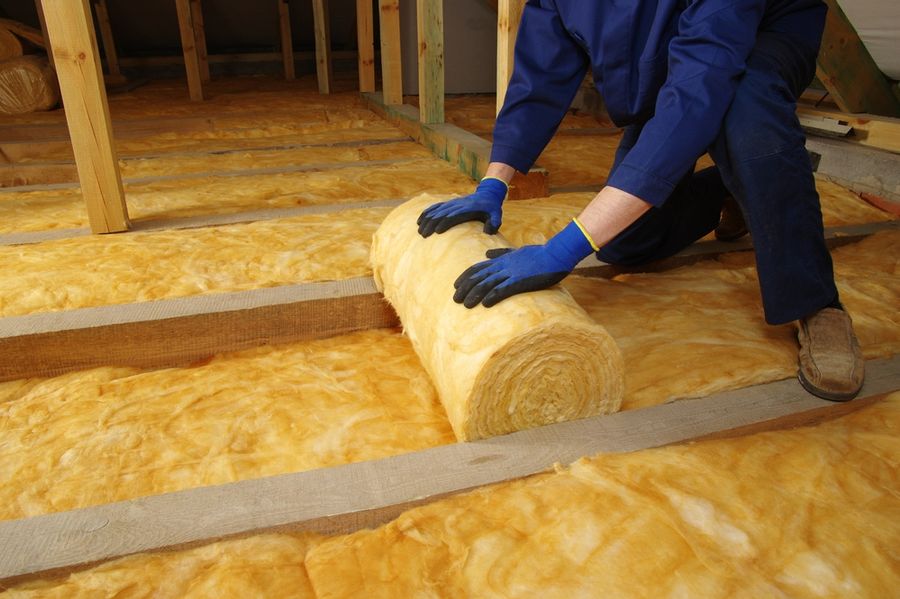
Fiberglass insulation is one of the most common materials used in homes across the United States. It comes in rolls or batts and is often placed between wall studs, ceiling joists, and floor spaces. Products like Owens Corning fiberglass batts and Johns Manville insulation are widely used for their consistency and ease of installation.
This type of insulation works by trapping air within fine glass fibers, which slows down the movement of heat. It is a practical choice for both new construction and upgrades in older homes. When installed correctly, fiberglass can help reduce heat loss in winter and keep warm air out during summer months, making it a dependable option for long-term energy control.
Spray Foam Insulation for Sealing Air Leaks
Spray foam insulation is known for its ability to expand and fill gaps where air can escape. Products such as Great Stuff insulating foam sealant are often used around windows, doors, and small openings. For larger projects, professional-grade spray foam systems can be applied to walls and attics.
This method is especially useful for sealing areas that are difficult to reach with traditional materials. Once applied, the foam hardens and creates an airtight barrier. This reduces drafts and prevents outside air from entering the home. Because it seals and insulates at the same time, spray foam is often used to improve overall energy efficiency in problem areas.
Cellulose Insulation for Eco-Friendly Performance
Cellulose insulation is made from recycled paper materials and treated for safety. It is commonly blown into walls or attic spaces using special equipment. Brands like Greenfiber cellulose insulation are often used in both new builds and retrofit projects.
One of the main advantages of cellulose is its ability to fill irregular spaces. It settles around pipes, wires, and framing, creating a dense layer that slows heat transfer. This helps reduce energy loss and improve indoor comfort. For homeowners looking for a more environmentally friendly option, cellulose offers a practical balance between performance and sustainability.
Rigid Foam Board Insulation for Strong Barriers
Rigid foam board insulation is often used in areas where strong, continuous coverage is needed. Products like FOAMULAR by Owens Corning and R-Tech foam boards are commonly installed in basements, exterior walls, and under siding. These panels are lightweight but provide a solid layer of insulation.
Foam boards are effective at blocking heat flow and can also resist moisture in certain applications. They are often used to create a thermal barrier in spaces where other materials may not perform as well. When combined with other insulation types, they help improve overall energy performance and reduce heat transfer through structural surfaces.
Reflective Insulation for Attic Heat Control
Reflective insulation is designed to reduce heat gain, especially in warmer climates. It often comes in the form of radiant barriers, such as Reflectix insulation. These materials are typically installed in attics to reflect heat away from the home.
Instead of slowing heat transfer like traditional insulation, reflective materials work by bouncing radiant heat away from surfaces. This can help keep attic temperatures lower, which reduces the amount of heat entering living spaces below. When used in the right setting, reflective insulation can support other methods and improve overall cooling efficiency.
Sealing Gaps and Improving Weak Points
Even the best insulation will not perform well if air leaks are left untreated. Small gaps around windows, doors, vents, and pipes can allow conditioned air to escape. Sealing these areas with caulk, weatherstripping, or foam products is a key step in reducing energy loss.
This process is often called air sealing, and it works alongside insulation to improve performance. By closing off these weak points, you help maintain indoor temperature and reduce the workload on heating and cooling systems. It is a simple but effective method that supports all other insulation upgrades.
Building a More Energy-Efficient Home
Reducing household energy use does not always require major renovations. By choosing the right insulation methods, you can improve comfort and lower energy demand in a practical way.
Fiberglass, spray foam, cellulose, rigid foam boards, and reflective insulation each offer unique benefits for different areas of the home. When combined with proper air sealing, these methods create a stronger barrier against heat loss and gain. With a thoughtful approach, you can build a more efficient and comfortable living space over time.