

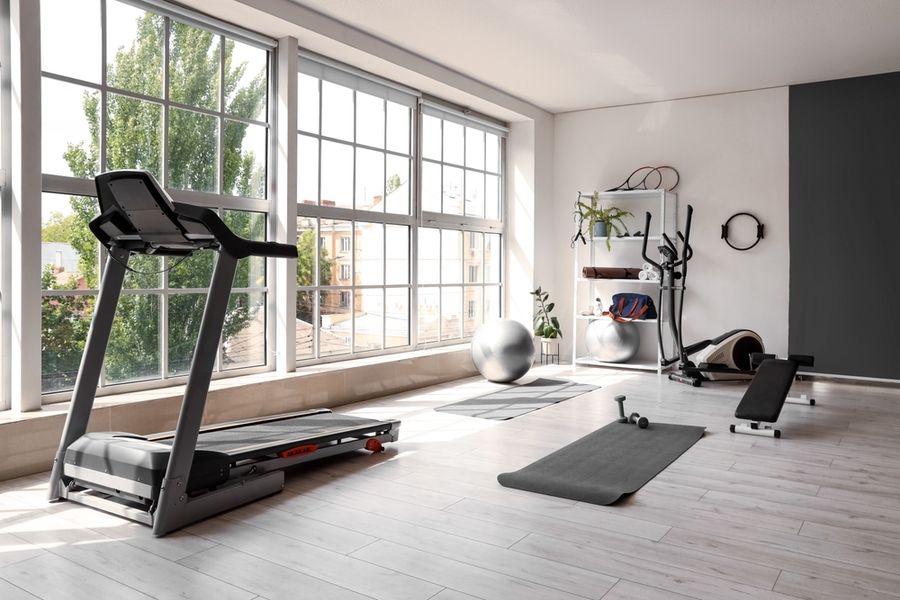
Buying home gym equipment can make regular exercise more convenient, but a large purchase doesn't automatically create a useful routine. The harder decision is determining which pieces match your goals, fit the available room, support realistic workout habits, and remain manageable after delivery, upkeep, and future repairs enter the picture.
A Four-Part Framework for Evaluating a Home Gym
A sound decision should weigh your fitness goals, space and movement needs, likely usage, and total ownership demands. The factor buyers often overlook is friction: how many steps it takes to start, adjust, and put away the equipment. A versatile machine can still deliver poor long-term value when every workout requires moving furniture, changing several attachments, or finding missing accessories.
Four Criteria That Determine Whether Equipment Is Worth Owning
Each criterion answers a different question. Consider all four together, because a strong result in one area cannot fully compensate for a serious mismatch in another.
Criterion 1: Match the Equipment to Fitness Goals
Start with the activity you intend to perform most often, not the product category that looks most impressive. Someone focused on steady cardiovascular work has different needs from someone rebuilding strength, improving mobility, or combining several training styles. Not sure what to focus on? Federal guidance suggests a mix of aerobic and muscle-strengthening activity, which can help buyers identify gaps in a proposed setup rather than assuming one machine covers every need.
Fitness goals matching also requires an honest look at physical limitations, preferred movement patterns, and the type of progression you can sustain. For example, adjustable resistance may matter more than maximum resistance and stable support may matter more than compact storage.
Quick test: Write down the three exercises you expect to perform each week and reject any purchase that does not support at least one of them.
Criterion 2: Plan the Workout Space Around Movement, Not Storage Dimensions
Product measurements only show whether a machine can occupy a room. Workout space planning must also account for mounting and dismounting, opening doors, extending benches, changing weights, reaching controls, and moving safely around the equipment. Ceiling height, floor strength, ventilation, noise, nearby outlets, and the path used to bring equipment inside can all change what is practical.
A folding design may appear space-efficient but still require a large clear area during use. Free weights need room for controlled lifting and a safe place to set them down. Equipment that blocks a shared room may create conflict that reduces use. Ultimately, it's important to measure your workout area to ensure your chosen equipment will fit.
Quick test: Mark the full operating footprint on the floor, then perform the intended movements inside and around that outline without touching walls, furniture, or walkways.
Criterion 3: Judge Value by Realistic Usage Patterns
The best purchase is usually the one that lowers barriers to the workout you already prefer. A feature-rich machine offers limited value when its controls feel confusing, adjustments take too long, or the movement itself is unpleasant. Consider when you exercise, how long sessions normally last, whether another household member will use the setup, and how quickly the equipment can be made ready.
Usage patterns also affect equipment selection factors such as adjustability, access, and storage. A short morning routine may favor equipment that stays visible and ready. A shared setup may need fast changes between users. A product that demands a subscription or connected account may not fit someone who prefers independent workouts.
Quick test: Describe a normal weekday workout from entering the room to putting everything away, and count every step that could become an excuse to skip it.
Criterion 4: Evaluate the Full Ownership Burden
Upfront cost is only one part of the commitment. Delivery, assembly, protective flooring, compatible accessories, digital subscriptions, replacement parts, cleaning supplies, and professional service can change the long-term value. Equipment maintenance costs also vary by design. Motorized products may require more specialized care, while cables, bands, upholstery, fasteners, and moving joints can wear through repeated use.
Safety checks belong in the ownership plan as well. Buyers should confirm model information and review the federal recalls and product safety warnings database before purchasing used, discontinued, or unfamiliar equipment. Warranty length matters less when coverage excludes labor, transport, or common wear items.
Quick test: List every task, service, accessory, and recurring obligation needed to keep the product usable, then decide whether you would still choose it with that full burden visible.
What Home Gym Buyers Commonly Get Wrong
A common mistake is buying for an ideal future routine rather than a demonstrated current habit. Large multifunction systems can feel efficient because they promise many exercises in one footprint. Yet added attachments, settings, and movement changes may create enough friction that the owner repeatedly chooses simpler activities instead. Variety only adds value when the user understands it and plans to use it.
Another weak shortcut is comparing products only by purchase price or feature count. A less expensive item can become costly if it needs immediate accessories, frequent replacement, or specialized repairs. A premium model can also be wasteful when its advanced functions never support the buyer’s actual goals. The better comparison asks what the equipment enables, what it requires, and how often that exchange will occur.
Three Home Gym Situations, Three Different Priorities
Different households should place different weight on the framework. The right choice changes with routine, room constraints, and tolerance for ongoing obligations.
An exerciser with a dedicated room: Goal fit and progression deserve the most weight because the room already removes many storage barriers. A rack, bench, adjustable resistance, or cable system may support consistent development, but the trade-off is a larger commitment to setup, inspection, and organized storage.
A shared-space user who exercises in short sessions: Operating footprint and start-up friction should lead the decision. Compact equipment that can be deployed quickly may offer fewer exercise variations, but accepting that limitation can protect consistency and keep shared walkways usable.
Someone returning to exercise after a long break: Comfort, stability, and simple progression should take priority over maximum capability. Equipment that supports controlled movements and easy adjustments may feel less ambitious, but the trade-off can be worthwhile when it reduces intimidation and makes gradual routine-building easier.
Frequently Asked Questions
Should I buy one large machine or several smaller pieces? Choose based on the exercises you will perform and the room needed to use them safely. One machine can simplify storage, while smaller pieces can offer flexibility and easier replacement, but neither approach is automatically better.
Is used fitness equipment a good long-term value? It can be when the exact model, condition, recall status, parts availability, and service options are verified. Wear that is difficult to inspect, missing hardware, or discontinued components can erase the apparent advantage.
How can I avoid buying equipment that becomes a clothes rack? Test the movement before buying, map the full setup process, and connect the purchase to a weekly schedule. Equipment that is comfortable, accessible, and aligned with a familiar routine has fewer barriers competing against regular use.
Build the Gym Around the Routine You Will Actually Keep
Start by verifying goal fit and the amount of friction required for a normal workout, then examine space and ownership obligations. For adults investing in long-term convenience, the strongest next step is to write a sample weekly routine and evaluate each proposed purchase against all four criteria before ordering.