

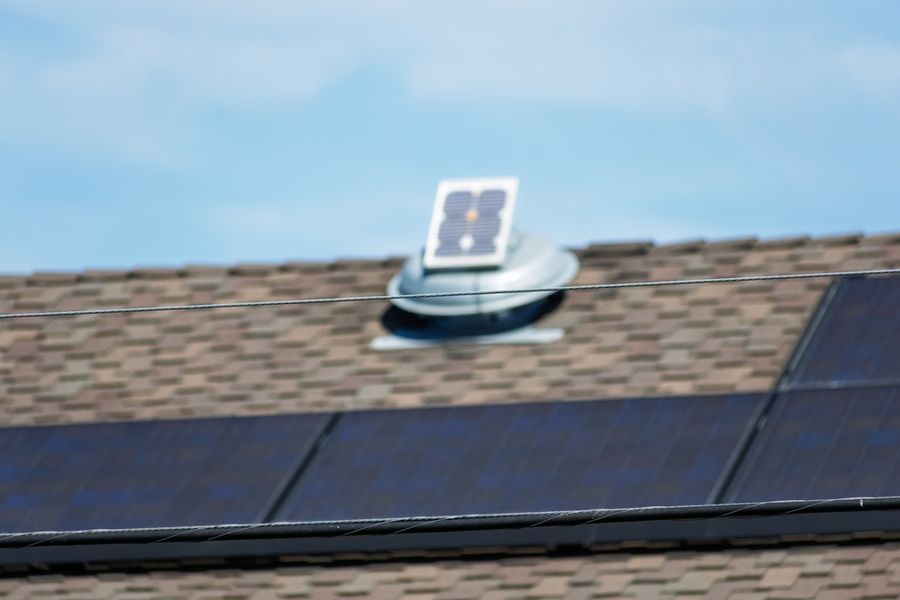
Solar attic fan prices can appear simple until roof work, control options, and installation needs enter the picture. Two fans with similar housings may lead to very different total expenses once attic size, roof material, access, flashing, and warranty terms are considered. A useful budget should cover the full project, not just the equipment listed on a product page.
What the Advertised Fan Price Leaves Out
The listed fan price normally covers a defined product package. Depending on the model, that package may include the fan, solar panel, housing, flashing, thermostat, mounting hardware, or only some of those parts. The buyer may still need extra controls, roof-specific materials, professional labor, or repairs to the existing ventilation system.
That distinction matters because the fan may not be the most difficult part of the project. A simple installation on an accessible asphalt-shingle roof can require less preparation than work on tile, metal, a steep slope, or a roof with limited safe access. Comparing product prices without defining the installation scope can create an incomplete budget.
How the Full Project Cost Develops
The process begins with the attic rather than the product. The homeowner or installer checks attic size, intake venting, roof shape, existing exhaust vents, and possible air leaks. Those findings determine the fan capacity, mounting style, and preparation work required.
Ventilation problems can also create expenses outside the fan installation. ENERGY STAR explains that an attic fan may pull conditioned air from the living area when soffit vents are blocked and the attic floor is poorly sealed. It recommends maintaining intake airflow while addressing air sealing and insulation (ENERGY STAR). A project that uncovers blocked vents or ceiling leaks may therefore need corrective work before powered exhaust makes sense.
The installer then evaluates the roof surface, chooses an opening or mounting point, and identifies any controls or backup power features. Each decision changes the materials, labor, and future service exposure included in the final expense.
A Five-Factor Ownership Expense Guide
A useful comparison should separate five factors: fan capacity, roof preparation, installation labor, controls, and warranty protection. These criteria were selected because each can change the amount paid now or the likelihood of another expense later. Looking at them separately also prevents a lower equipment price from hiding difficult installation conditions or weak replacement coverage.
Match Fan Capacity to the Attic and Intake Air
Roof fan capacity affects both equipment selection and the number of units that may be considered. A larger attic, divided attic sections, a steep roof, or restricted airflow can change the required setup. Buying a high-output fan does not solve an intake shortage, because the exhausted air still needs to be replaced through soffit or other lower vents.
Ask how the recommended capacity was calculated. The estimate should identify the attic area, roof layout, existing vents, intake path, and whether separate sections can exchange air. A vague recommendation based only on the home’s total floor area may overlook the actual space being ventilated. Capacity should be confirmed before comparing the purchase cost of different models.
Identify Roof Preparation Before Requesting Labor Quotes
Roof material changes the installation method. Asphalt shingles, tile, metal panels, flat roofing, and raised curbs may need different flashing, cutting, sealing, and mounting parts. An installer may also need to remove and replace roofing materials around the opening rather than simply fastening the fan housing in place.
Roof condition matters as well. Brittle shingles, cracked tiles, soft decking, old flashing, or signs of leakage may require repair before a new penetration is added. Ask the installer to state whether the quote includes roof preparation, flashing materials, sealing, debris removal, and repairs discovered after the work begins. Without those details, an installation cost estimate may cover only the easiest version of the job.
Separate Access Difficulty From Basic Installation Labor
Labor can change when the fan location is difficult to reach. A low, walkable roof with open attic access presents a different job from a steep roof above several stories or an attic with limited movement around rafters and ducts. Safety equipment, setup time, and the number of workers may all affect the scope.
The quote should also explain who is responsible for selecting the final location. A poor location can leave the solar panel shaded by trees, dormers, chimneys, or nearby roof sections during important parts of the day. Ask whether the contractor has inspected both the roof surface and the attic side of the proposed opening. A roof-only estimate may miss framing, wiring, or ductwork below the chosen spot.
Decide Which Controls Belong in the Initial Setup
A basic solar fan may operate whenever the panel receives enough sunlight. Other systems use thermostats, humidistats, adjustable controls, remote monitoring, or backup household power. These additions can improve control over when the fan runs, but they also add components that may need setup, wiring, troubleshooting, or later replacement.
Start with the problem the control is meant to solve. A thermostat may limit operation by temperature, while a humidistat responds to moisture conditions. Backup power can extend operation beyond strong daylight, but it changes the system from a simple solar-only setup. Ask whether each control is included, installed, covered by the main warranty, and necessary for the home’s ventilation goal.
Compare Warranty Coverage, Not Just Warranty Length
A warranty coverage comparison should look beyond the number of years advertised. Check which components are protected, whether labor is included, whether registration is required, and whether coverage transfers to a future homeowner. Environmental exclusions may also apply to damage caused by hail, wind, salt exposure, or improper installation.
Manufacturer terms can differ within the same system. For example, Remington Solar states that its attic-fan warranty covers parts for manufacturing defects but not labor, is limited to the original registered owner, and provides shorter coverage for certain electronic accessories (Remington Solar). That difference matters when controls or adapters are an important part of the purchase.
Ask what happens if the motor, panel, control, or housing fails. A long parts warranty may still leave the owner responsible for diagnostic work, removal, roof access, shipping, and reinstallation.
Why the Lowest Fan Price May Not Produce the Lowest Total
The common mistake is comparing boxed products before comparing installation conditions. A simpler fan on a difficult roof can create a larger project than a more complete package installed in an accessible location. The advertised amount is useful only after the required fan capacity, mounting method, controls, and labor scope are known.
Warranty language creates a similar problem. “Lifetime” coverage can sound complete while applying only to certain parts, one owner, or properly registered equipment. The exclusions and labor terms often matter more than the headline length.
Apply the Framework to the Home
For an accessible asphalt-shingle roof with clear intake vents, begin with capacity and package contents. A straightforward installation may make equipment features and warranty terms the main differences. Confirm that flashing, controls, and mounting hardware are included before comparing proposals.
For tile, metal, flat, steep, or aging roofs, prioritize roof preparation and labor scope. Request a written explanation of the mounting method, added materials, repair responsibility, and weatherproofing. A low equipment price carries less weight when roof work is the larger source of uncertainty.
For a home with blocked soffits, moisture signs, weak insulation, or visible attic-floor leaks, address the underlying ventilation path first. Paying for a fan before solving those conditions may lead to additional work and a system that does not perform as expected.
Frequently Asked Questions
Does a larger solar panel always mean a higher total project cost?
Not necessarily. Panel size is only one part of the product, while roof preparation, mounting type, labor, controls, and warranty terms shape the full expense. Compare equivalent installation scopes rather than panel size alone.
Can a homeowner install a solar attic fan without hiring a contractor?
Some systems are marketed for do-it-yourself installation, but the decision depends on roof material, pitch, access, flashing skill, and the condition of the roof deck. Professional installation may be more appropriate when the project requires difficult roof access, tile removal, electrical connections, or repairs.
Does the product warranty usually cover installation labor?
Coverage varies by manufacturer and model. Buyers should check whether the warranty covers parts, labor, removal, shipping, and reinstallation, along with registration and ownership requirements. The contractor may also offer separate workmanship coverage for the roof installation.
Build the Budget From the Roof Down
Begin by confirming attic capacity needs, intake airflow, and the proposed mounting location. Then request a written estimate that separates the fan, roof materials, labor, controls, warranty terms, and possible repair work. That process gives the homeowner a clearer view of the complete obligation before summer work begins.