

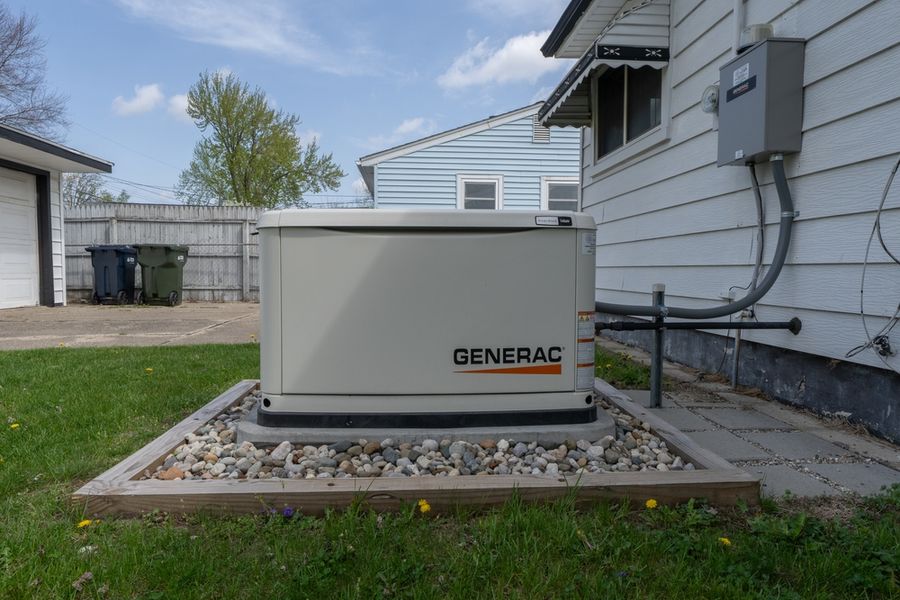
A whole-home generator can keep essential systems running during an extended outage, but the unit itself is only part of the investment. Installation, fuel supply, permits, routine maintenance, and future repairs all affect long-term cost and reliability. The best choice should support the home’s most important circuits without creating fuel demands, service needs, or added expenses that the owner is unprepared to manage throughout years of ownership.
What a Whole-Home Generator Actually Provides
A whole-home generator, also called a standby generator, is permanently installed outside and connected to the home’s electrical system through an automatic transfer switch. When utility power fails, the switch separates the home from the grid and directs generator power to selected circuits or the main electrical panel. The system shuts down after utility service returns.
The term “whole-home” can be misleading. Some systems are sized to support nearly every normal household load, while others rely on load management or cover only selected equipment. Air conditioning, electric heating, well pumps, sump pumps, medical equipment, refrigerators, and cooking appliances can place very different demands on the system.
A practical way to compare whole-home generators is to focus on four areas: coverage, site conditions, fuel supply, and service access. Coverage identifies which loads must operate at the same time. Site conditions include placement, drainage, clearance, and connection distance. Fuel planning considers availability during a long outage, while service access covers maintenance duties, replacement parts, and qualified local technicians.
How Installation and Outage Operation Work
The process normally begins with a site visit and an electrical-load review. The installer identifies essential equipment, checks the electrical panel, examines the available fuel supply, and looks for a suitable outdoor location. Owners should decide whether they need broad household coverage or a smaller system that protects only critical circuits.
Installation may involve a prepared base, transfer switch, electrical wiring, fuel piping, permits, inspections, and possible utility work. Placement also affects labor because longer electrical and fuel runs require more materials and site preparation. Installation planning can include generator placement, property restrictions, fuel connections, site preparation, permitting, and a simulated outage test before completion.
After installation, the generator monitors utility power. During an outage, the automatic transfer switch starts the backup sequence and directs power to the approved loads. Owners should still understand the system’s limits, especially if load-management controls may temporarily delay high-demand equipment.
Who Benefits Most From Permanent Backup Power
A standby system offers the greatest value when an outage creates more than a temporary inconvenience. It may fit:
- A homeowner with frequent or extended outages: Automatic operation can protect refrigeration, heating or cooling, lighting, and other selected loads without requiring the owner to set up equipment during a storm.
- A household relying on a well pump or sump pump: Loss of power may also mean loss of water service or basement protection, making those circuits a higher sizing priority.
- A home occupied by someone with limited mobility: A permanent system avoids moving a portable generator, handling extension cords, or repeatedly adding fuel during poor weather.
- A property that must maintain essential equipment while vacant: Automatic startup can support selected systems when the owner is traveling, although remote monitoring and service arrangements still require review.
Broad outage coverage does not automatically justify the largest available unit. A carefully sized system that protects essential loads may create a better balance between installation complexity, fuel consumption, and practical resilience.
Where Whole-Home Generators Create Limitations
A permanent generator requires suitable outdoor space. Local rules may affect its distance from property lines, doors, windows, vents, electrical equipment, and neighboring homes. Drainage, flood exposure, noise, and access for future service can also disqualify an otherwise convenient location.
Fuel availability creates another limitation. Natural gas may avoid on-site refilling, but the home’s gas service must support the generator along with other appliances. Propane provides stored fuel on the property, yet useful outage coverage depends on tank capacity, starting fuel level, generator load, and the ability to arrange delivery after a regional emergency.
A standby generator may be a weak choice for a renter, a home with no workable installation site, or a household that experiences only brief and rare outages. It can also disappoint owners who expect maintenance-free operation. Automatic testing helps confirm that the unit can start, but it does not replace inspection, oil and filter service, battery care, or repairs.
What Creates the Total Ownership Cost
The generator itself is only the first cost. The transfer switch, mounting base, delivery, electrical labor, fuel piping, permits, inspections, and site restoration belong in the initial project budget. Difficult access, a distant fuel source, an outdated electrical panel, or the need for a larger gas meter can add work that is not obvious from the equipment price.
Standby generators require permanent professional installation. Factors such as permits, noise restrictions, proper placement, gas connections, electrical work, and a stable base can make installation more costly than the generator itself. A useful proposal should separate the equipment from installation, fuel-system work, permits, and optional upgrades rather than presenting one unexplained total.
Long-term expenses include fuel used during outages and exercise cycles, scheduled service, oil, filters, spark plugs, batteries, monitoring plans, and eventual repairs. Owners should also ask whether labor, travel, disposal, and emergency service calls are included in a maintenance agreement. A lower equipment quote may offer poor value if local parts and qualified service are difficult to obtain.
How to Make the Final Generator Choice
For a home facing frequent long outages, begin with the circuits that protect safety, water, food, indoor temperature, and necessary medical equipment. Ask the installer to show which loads can operate together and what happens when several large appliances request power at once. Accepting load management may reduce system size, but some appliances may have to wait before starting.
For a home with reliable natural gas service, confirm that the meter, regulator, and supply line can support the proposed generator. For propane, request an outage plan based on the actual tank, expected electrical load, and likely delivery conditions. The trade-off is between continuous utility-supplied fuel and stored fuel that remains under the homeowner’s control.
Service access should break a close decision between otherwise similar systems. Confirm who performs warranty work, how quickly technicians respond, which maintenance tasks the owner must complete, and whether common parts are stocked locally. A generator that covers every circuit offers limited reassurance if a small failed component cannot be serviced during outage season.
Frequently Asked Questions
Can a standby generator power every appliance at once?
Only if the generator, transfer equipment, fuel supply, and electrical system are sized for the combined demand. Some installations use load-management controls that prioritize essential circuits and delay selected high-demand appliances.
How much fuel does a whole-home generator use?
Fuel use depends on the generator’s capacity, fuel type, electrical load, and operating time. Ask for the manufacturer’s consumption figures at partial and full load, then compare them with the home’s gas capacity or available propane storage.
What service does a standby generator require?
Typical service can include checking the oil, filters, battery, spark plugs, fuel system, enclosure, transfer switch, and operating history. The exact schedule comes from the model’s owner’s manual and may change after long periods of outage operation.
Match the Generator to the Entire Ownership Plan
Choosing a backup power generator should begin with the loads that truly need protection, followed by the site, fuel supply, and service network required to support them. Request a written proposal that separates equipment, installation, permits, fuel work, and ongoing maintenance. The most suitable system is the one the household can operate, fuel, and service throughout its useful life.