

Meeting notes can quickly become scattered across notebooks, email drafts, chat threads, and digital files, making important details harder to find when they are needed. Digital paper tablets aim to bring writing, document review, and action items into one focused workspace. The challenge is choosing a device that feels comfortable to use while also connecting smoothly with the apps, storage systems, and workflows already used throughout the workday.
Why Quiet Operation Depends on the Whole Setup
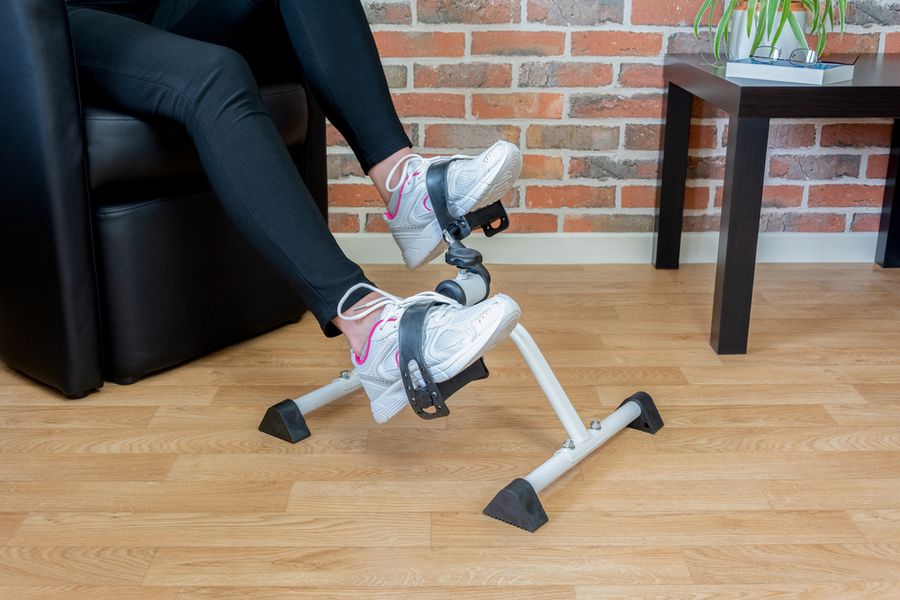
Quiet under-desk pedal exercisers generally use magnetic resistance, belt drives, enclosed flywheels, or smooth elliptical tracks to limit mechanical noise. Those features matter, but they do not control every sound. A lightweight frame can slide, a chair can roll backward, and a high pedal arc can cause the user’s knees to hit the desk. Hard flooring can also carry small vibrations farther than carpet.
The useful comparison is not simply bicycle versus elliptical. Buyers should consider how the resistance is created, how firmly the frame stays planted, how high the knees rise, and whether the pedal path feels natural at a slow working pace. The right balance changes when coworkers, clients, or household members are sitting nearby.
Under-Desk Pedal Exercisers at a Glance
|
Option |
Suitable For |
Main Advantage |
Main Trade-Off |
|---|---|---|---|
|
Elliptical motion |
Enclosed smooth stride |
Low-mounted display |
|
|
Low desks |
Adjustable pedal height |
Wide floor footprint |
|
|
Home offices |
Stable elliptical frame |
Heavier to relocate |
|
|
Arm and leg use |
Stepless resistance dial |
Higher pedal arc |
|
|
Shared office calls |
Magnetic belt drive |
App adds complexity |
All five machines support seated movement, but they use different frame shapes and pedal paths. Office noise concerns should be considered alongside knee clearance, floor grip, storage needs, and the amount of resistance required for normal work sessions.
Cubii JR2: Suitable for Smooth Elliptical Motion
The Cubii JR2 suits someone who prefers a short elliptical stride instead of a circular bicycle motion. The enclosed body keeps the moving parts away from shoes and chair legs, while eight adjustable resistance levels allow the user to keep the effort light during calls or increase it during less demanding tasks. Its integrated monitor records activity without requiring a separate app. The unit has been described as whisper quiet and designed for seated use.
Cubii JR2 Pros
- The elliptical path can limit the sharp rise-and-fall knee motion created by some compact cycles.
- The broad pedal platforms provide more room for changing foot position during long sessions.
Cubii JR2 Cons
- The built-in display sits near the floor and may be difficult to read without leaning forward.
- The enclosed elliptical design takes more front-to-back space than a simple folding pedal frame.
This model fits a worker who values a contained, smooth motion and plans to leave the unit under one desk. The trade-off is a larger body that may be less convenient to move between rooms or workstations.
DeskCycle 2: Suitable for Desks With Limited Clearance
The DeskCycle 2 uses magnetic resistance and a circular cycling motion, but its pedal height can be adjusted to reduce knee lift. It features eight resistance settings, a detachable display, sealed bearings, steel components, and silent magnetic resistance. It also states that the frame can be adjusted between two height positions, making desk clearance a central part of the design rather than an afterthought.
DeskCycle 2 Pros
- The adjustable pedal height helps users match the machine to a lower desk or keyboard tray.
- The wide stabilizing legs can reduce side-to-side movement during steady cycling.
DeskCycle 2 Cons
- The wide front leg needs more open floor space than a narrow mini cycle.
- The circular pedal path may still raise the knees too far for users with thick desks or low chairs.
This option suits someone who wants bicycle-style motion and can measure the desk before ordering. The accepted compromise is a wider base that may compete with chair wheels, storage bins, or other equipment beneath the workstation.
LifePro FlexStride: Suitable for a Dedicated Home Office
The LifePro FlexStride is an elliptical-style unit built around a substantial frame. It offers eight resistance levels, forward and reverse movement, textured pedals, and a control panel for tracking common workout measures. LifePro lists the machine at 29 pounds and describes its pedal motion as quiet and smooth, giving it more weight to resist shifting than many compact folding units.
LifePro FlexStride Pros
- The heavier frame can feel more planted during steady seated movement.
- Forward and reverse motion let users change the pedal pattern without moving the machine.
LifePro FlexStride Cons
- The frame may be awkward to carry between floors, offices, or shared desks.
- The elliptical body occupies more storage space than a small open-frame pedal unit.
The FlexStride fits a home worker who can give the machine a regular place beneath one desk. Its weight can improve stability, but the same weight becomes a drawback when the exerciser must be put away after every use.
MagneTrainer-ER: Suitable for Arm and Leg Sessions
The MagneTrainer-ER is a compact cycle that can be placed on the floor for leg movement or on a stable surface for arm exercise. Its U.S. listing describes magnetic resistance, a stepless adjustment dial, a display, reversible pedaling, and a steel base. The ability to make small resistance changes may appeal to users who find fixed steps too abrupt during light work sessions.
MagneTrainer-ER Pros
- The stepless dial allows finer resistance changes than a short series of preset levels.
- The pedals are designed for both hand and foot use, increasing its usefulness away from the desk.
MagneTrainer-ER Cons
- The cycle shape creates a higher pedal arc than low-profile elliptical units.
- The narrower base may require a grippy mat when used on smooth flooring.
This model suits someone who wants one compact machine for desk cycling and separate arm sessions. The trade-off is that its versatile proportions may demand more knee clearance than a unit designed only for under-desk use.
Sunny Health & Fitness SF-B0891SMART: Suitable for Shared Office Calls
The SF-B0891SMART combines magnetic resistance with a belt-drive mechanism, which the manufacturer describes as a way to reduce operating noise. It has eight resistance levels, a carry handle, adjustable pedal straps, and a low-profile frame. The machine also connects to the SunnyFit app, although the built-in monitor can track basic activity without requiring the user to keep a phone open during work.
Sunny Health & Fitness SF-B0891SMART Pros
- The magnetic tension and belt drive address two common sources of mechanical sound.
- The carry handle makes it easier to remove the unit before meetings or client visits.
Sunny Health & Fitness SF-B0891SMART Cons
- The app connection adds a feature that may be unnecessary for simple office movement.
- The bike-style rotation can still transfer vibration if the frame or chair shifts on a hard floor.
This model fits a worker who needs a compact cycle that can be moved away from the desk without much trouble. The trade-off is a more conventional pedal arc that requires careful chair placement and a stable surface.
Match the Machine to the People Around You
For a shared office with frequent client calls, the Sunny Health & Fitness SF-B0891SMART is the recommended match for that specific setting. Its magnetic resistance, belt drive, low-profile frame, and carry handle address mechanical sound and quick removal. The user accepts a circular motion that may still require a floor mat and careful chair placement.
If the desk is unusually low, consider the DeskCycle 2 because the pedal height can be adjusted. If smooth elliptical motion matters more than portability, compare the Cubii JR2 with the heavier LifePro FlexStride and decide whether the machine will remain under one desk.
For a household that wants both leg and arm use, the MagneTrainer-ER offers the clearest functional difference. Its stepless dial and dual-use pedals add flexibility, but desk clearance should be measured before choosing it for daily computer work.
Test the Floor Before Judging the Noise
A quiet drive system cannot compensate for a sliding frame, rolling chair, or vibrating hard floor. Measure the desk clearance, check the available floor area, and test whether a rubber mat or chair restraint is needed before settling on a model.
The most useful final check is whether the machine stays stable during slow pedaling, since that is the pace most likely to be used while working.