

Keeping your home safe is a priority, and smart technology has made it easier than ever to stay in control. Instead of relying only on basic locks and alarms, many homeowners now use connected devices that provide real-time updates and remote access. Key tools can help you monitor your property, respond quickly to issues, and build a stronger sense of security. With the right setup, you can upgrade your home protection without making things complicated.
Smart Security Cameras for Real-Time Monitoring
Smart security cameras are often the first step in upgrading home security. Devices like Ring Stick Up Cam, Arlo Pro series cameras, and Google Nest Cam allow you to view live video from your phone. This makes it easy to check on your home whether you are inside or away.
Many of these cameras include motion detection, which sends alerts when movement is detected. Some also offer night vision and two-way audio, so you can see and speak to visitors or unexpected guests. Placing cameras near entry points, such as front doors and backyards, gives you a clear view of key areas and helps prevent unwanted activity.
Smart Doorbells for Safer Entry Points
A smart doorbell adds another layer of security at your front door. Products like the Ring Video Doorbell and Google Nest Doorbell allow you to see who is at your door without opening it. When someone presses the bell or triggers motion detection, you receive an alert on your phone.
This feature is especially useful for deliveries or unknown visitors. You can speak through the device using two-way audio, even if you are not home. By giving you more control over your front entry, smart doorbells help reduce risk and improve everyday safety.
Smart Locks for Keyless Access Control
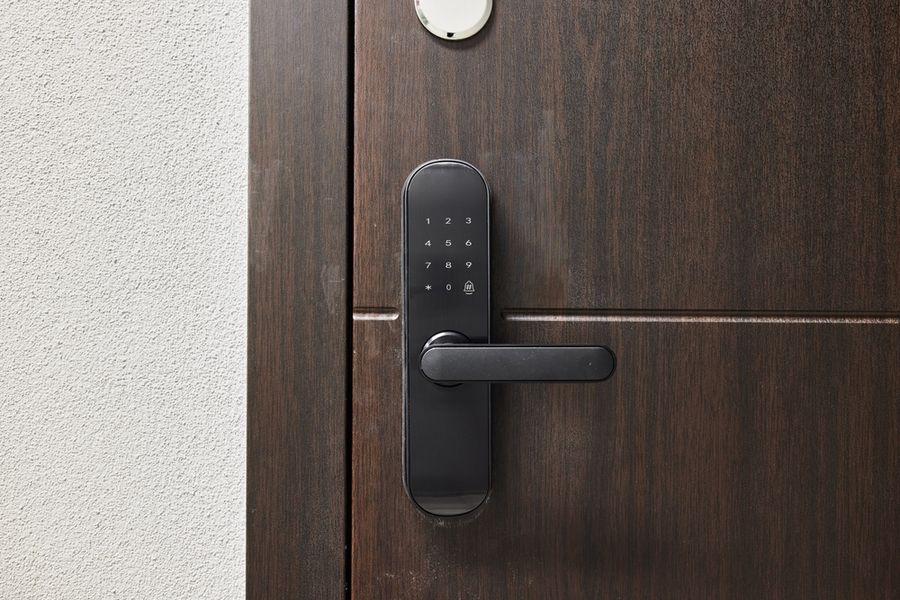
Smart locks replace traditional keys with digital access. Devices like the August Smart Lock and Schlage Encode Smart WiFi Deadbolt allow you to lock and unlock your door using a smartphone app or keypad. This makes it easier to manage access without needing physical keys.
You can create temporary access codes for guests, service workers, or family members. This means you do not have to worry about lost keys or copying keys for others. Many smart locks also send alerts when doors are locked or unlocked, helping you stay aware of activity at your home.
Smart Sensors for Doors and Windows
Smart sensors are small devices that can be placed on doors and windows to detect when they are opened. Products like SimpliSafe Entry Sensors or Ring Alarm Contact Sensors send alerts when a door or window is accessed. This gives you instant awareness if something changes while you are away.
These sensors are easy to install and can be used throughout your home. They work well as part of a larger system, especially when combined with cameras or alarms. By covering multiple entry points, you can build a more complete security setup.
Smart Alarm Systems for Central Control
Smart alarm systems bring all your devices together into one system. Options like SimpliSafe Home Security System and Ring Alarm allow you to manage sensors, cameras, and alerts from a single app. This makes it easier to monitor your home without switching between different tools.
These systems often include features like remote arming and disarming, as well as alerts for unusual activity. Some setups also offer professional monitoring services. A central system helps keep everything organized and ensures that all parts of your security setup work together.
Using Smart Lighting to Deter Activity
Smart lighting can also improve home security by making your home look occupied. Devices like Philips Hue smart bulbs and LIFX lighting systems allow you to control lights remotely or set schedules. Lights can turn on automatically at certain times or when motion is detected.
This can help discourage unwanted activity by creating the appearance that someone is home. Smart lighting can also improve safety when arriving home at night. It is a simple addition that works well alongside other security devices.
Building a System That Fits Your Home
The best smart security setup depends on your home and daily routine. Some households may focus on cameras and doorbells, while others may need a full system with sensors and alarms. Starting with one or two devices and adding more over time can make the process easier.
It is also important to place devices in the right locations. Entry points, common areas, and outdoor spaces are good places to start. By building your system step by step, you can create a setup that meets your needs without adding unnecessary complexity.
Creating a Safer Home with Smart Technology
Upgrading your home security with smart devices does not require a complicated setup. Tools like smart cameras, doorbells, locks, sensors, and lighting systems work together to provide better awareness and control.
By choosing devices that fit your needs and using them consistently, you can improve your home’s safety in a simple and practical way. Over time, a well-planned system can give you greater peace of mind and a stronger sense of security every day.