

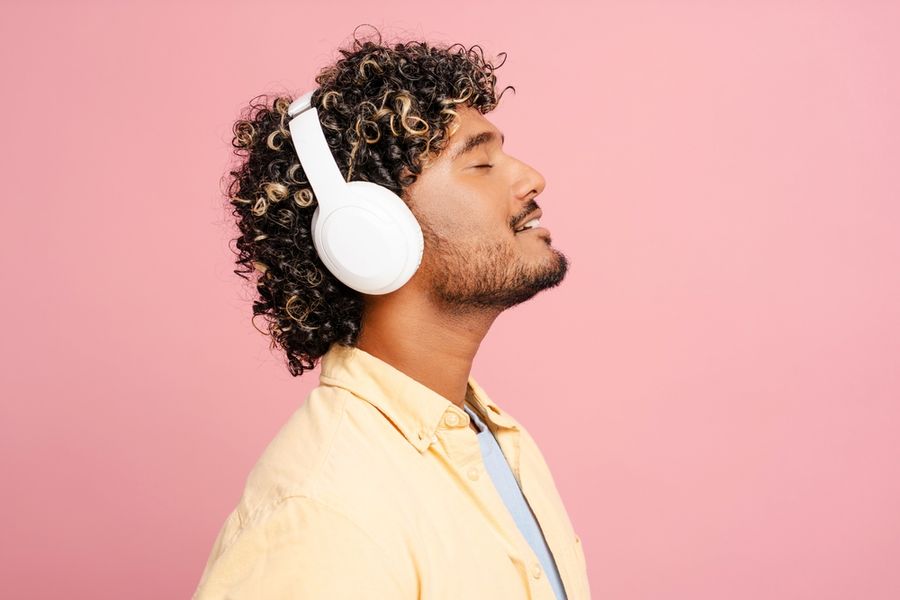
Noise, interruptions, and inconsistent audio quality can make everyday listening feel frustrating and distracting. Noise-canceling headphones promise a more controlled experience, but the upgrade only makes sense when the benefits match a person’s routine. The decision depends on how much value comes from quieter travel, improved focus, better sound, and the convenience of a premium listening setup. For many consumers, the right choice comes down to usage habits, comfort expectations, and whether daily noise problems justify the investment.
What Noise-Canceling Headphones Actually Are
Noise-canceling headphones use microphones and electronic processing to reduce unwanted environmental sounds. Active noise cancellation works by detecting surrounding sounds and creating an opposing signal designed to reduce certain types of noise, especially steady background sounds such as transportation or air conditioning.
A common misconception is that noise cancellation creates complete silence. The technology is most effective against consistent low-frequency sounds, while sudden noises or nearby conversations may still be noticeable. The experience depends on the headphone design, fit, and the environment where it is used.
The real value comes from combining noise reduction with other improvements, including sound quality, comfort, wireless convenience, and battery performance. A person who only listens occasionally in quiet spaces may not notice a meaningful upgrade, while someone who travels, works remotely, or spends hours listening may see a larger benefit.
How Noise-Canceling Headphones Work in Daily Use
Using noise-canceling headphones usually starts with pairing the device to a phone, computer, or another audio source. After setup, users can switch between noise cancellation, transparency modes that allow outside sound through, and standard listening settings depending on the situation.
Battery expectations also become part of the daily experience. Features such as active noise cancellation, wireless connections, and additional processing can affect how long headphones operate between charges. Operating time varies depending on settings and whether noise cancellation features are enabled.
The biggest adjustment for many buyers is understanding that better headphones are not only about louder audio. They are designed to create a more consistent listening environment, which can matter during flights, commutes, work sessions, or entertainment at home.
Who Benefits Most From Noise-Canceling Headphones
Noise-canceling headphones tend to provide the most value for people with specific listening challenges or routines, such as:
- Remote workers in shared spaces who need fewer distractions during focused tasks: Noise reduction can help create a more controlled environment without relying only on room changes or background noise.
- Frequent travelers who spend time on airplanes, trains, or buses: Lowering steady engine or transportation sounds can make long trips more comfortable.
- Entertainment-focused listeners who want immersive music, movies, or games: Higher-quality audio hardware can improve detail, clarity, and overall enjoyment.
- People who wear headphones for extended periods: Comfort, weight, earcup design, and battery reliability become more important during longer sessions.
Travel comfort often matters as much as audio quality. A headphone that sounds excellent but becomes uncomfortable after an hour may not deliver the experience a buyer expects. The best fit depends on how often the headphones are worn and where they are used.
The Real Downsides of Noise-Canceling Headphones
The biggest limitation is that noise cancellation cannot solve every noise problem. People expecting complete isolation may be disappointed because voices, sudden sounds, and certain high-frequency noises can still pass through. The technology reduces distractions rather than eliminating the outside world.
Audio quality also varies between models. Some buyers focus heavily on noise reduction but overlook factors such as sound balance, microphone quality for calls, and comfort. Ultimately, a premium listening experience requires more than one feature working well.
Noise-canceling headphones may also be a poor fit for someone who rarely uses headphones outside a quiet home environment. A basic pair of headphones may provide enough value for occasional listening, making the additional features unnecessary.
Another consideration is maintenance. Wireless headphones require charging, software updates, and eventual battery wear over time. Buyers should think about long-term ownership rather than only the first impression after purchase.
Cost and Commitment Factors
The value of noise-canceling headphones depends on how frequently the features are used. A person who wears headphones every workday or takes regular trips may benefit more from investing in comfort, reliability, and advanced audio features.
The overall commitment includes more than the initial purchase decision. Buyers should consider battery expectations, device compatibility, replacement accessories, and how the headphones fit into existing routines. Premium audio accessories often justify their place by reducing daily friction rather than by adding a single dramatic feature.
Audio quality needs also influence the decision. Someone who listens casually may prioritize comfort and convenience, while a dedicated music listener may care more about sound detail and customization options.
The most useful question is not whether noise-canceling headphones are expensive or inexpensive. It is whether the listening improvements will be experienced often enough to matter.
How to Decide If Noise-Canceling Headphones Are Worth the Cost?
The strongest reason to buy noise-canceling headphones is having a recurring problem that they can address. For someone who works in a noisy environment, travels often, or spends long periods listening, reducing background distractions can change the daily experience.
A person who values focus should prioritize noise reduction and comfort because those features affect repeated use. The trade-off is accepting a higher commitment for technology that may not be necessary in every environment.
Someone focused mainly on entertainment should consider audio quality alongside noise cancellation. A quieter experience does not automatically mean better sound, so buyers should look for a balance between clarity, comfort, and convenience.
The factor many consumers underweigh is how often they will use the headphones. Noise-canceling technology can be valuable, but only when it solves a regular problem. Buyers should match the feature set to their actual routine rather than assuming premium equipment automatically creates a better experience.
Top Noise-Canceling Headphones to Consider
If you have decided noise-canceling headphones are worth the extra investment, the next step is finding a model that matches your listening habits. Different headphones emphasize different strengths, including comfort, entertainment features, sound quality, and everyday usability. Some popular options worth considering include:
- Bose QuietComfort Ultra 2nd Gen: Known for its lightweight design and plush fit, this model is a strong option for listeners who prioritize long-term comfort during work sessions, travel, or extended entertainment use.
- Sony WH-1000XM6: Designed for versatile everyday listening, the WH-1000XM6 combines strong noise cancellation with detailed audio features that appeal to commuters, travelers, and people who use headphones across multiple devices.
- Apple AirPods Max: A premium choice for people already invested in Apple devices, offering strong integration with iPhone, iPad, and Mac setups along with immersive audio features.
- Sennheiser Momentum 5: A good fit for listeners who place extra emphasis on rich sound quality, especially those who want powerful bass while maintaining detailed audio performance.
- Sony 1000X THE COLLEXION: Built for entertainment-focused users, this option emphasizes immersive listening features that can enhance movies, shows, gaming, and other media experiences.
The right choice depends less on having the most advanced features and more on which benefits will matter most in daily use. A frequent traveler may value comfort and noise reduction, while a home entertainment enthusiast may care more about sound quality and immersive features.
A Better Listening Experience Starts With Fit
Noise-canceling headphones can be worth the cost for consumers who regularly deal with distractions and want a more controlled audio environment. The upgrade is less about owning advanced technology and more about improving repeated moments throughout the day.
Before buying, consider the main listening situations, comfort needs, and features that will receive regular use. A practical next step is to identify the environments where noise creates the biggest frustration and decide whether better headphones directly address that problem.