

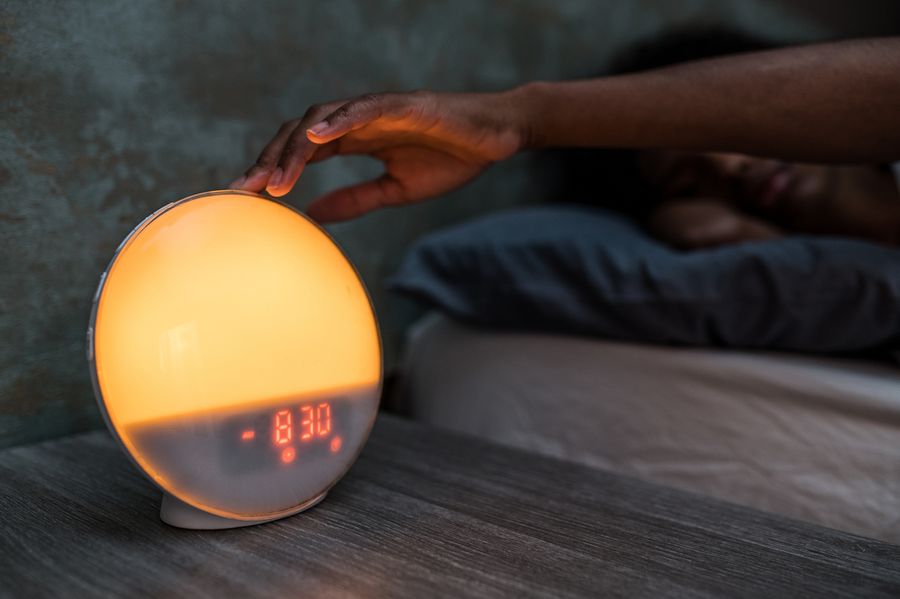
Replacing a sunrise alarm app involves more than buying a brighter alarm clock. A dedicated lamp, smart bulb, wearable, or connected sleep device can move the wake-up cue away from the phone, but each option creates a different routine. Some use gradual light, while others rely on vibration, sound, or a mix of features. The best choice depends on the desired wake-up method, setup effort, bedroom space, and tolerance for apps or subscriptions.
What a Phone-Free Wake-Up System Actually Is
Sunrise alarm app alternatives are products and setups that deliver the morning cue without requiring the phone to remain beside the bed. The primary subject is the phone-free wake-up system, not any single lamp or tracker. A Philips SmartSleep lamp, a Philips Hue smart bulb routine, a Fitbit Charge 6 alarm, and a Hatch Restore 3 routine are different ways to build that system.
They do not all imitate sunrise in the same way. Dedicated lamps and smart bulbs use gradually changing light. A wearable relies on vibration, while a connected bedside device may combine light, sound, and wind-down content. The useful comparison begins with the cue the sleeper needs, then considers how much phone use remains during setup and schedule changes.
How Specific Products Fit Into the Routine
A dedicated model such as the Philips SmartSleep Wake-up Light HF3520/60 keeps the alarm, light, and sound controls in one bedside device. Philips states that its colored sunrise simulation brightens gradually and is followed by a selected natural sound. Once programmed, the lamp can handle the morning routine without a phone beside the bed.
A Philips Hue Essential A19 bulb takes a different route. It can turn an existing bedside or ceiling fixture into part of a scheduled smart bulb routine, but the user must configure the automation in the Hue app. Hatch Restore 3 also uses an app and Wi-Fi for initial setup, then provides physical controls for starting routines, changing volume, and handling the alarm.
Fitbit Charge 6 replaces light with a private wrist vibration. The Google Health Help Center confirms that supported Fitbit alarms vibrate at the chosen time and that Charge 6 alarms can be set on the device. That makes the tracker a specific option for someone who wants less bedroom light or sound, but it does not create a sunrise effect.
Who Benefits Most From Moving the Alarm Off the Phone
The strongest fit depends on the problem the new setup is meant to solve.
- A sleeper who wants a simple bedside lamp: Philips SmartSleep HF3520/60 keeps the light and alarm together, which reduces reliance on a phone after the schedule is programmed.
- A renter who already has a suitable lamp: A Philips Hue Essential A19 bulb can add a gradual lighting routine without placing another large device on the nightstand, but app setup remains part of the process.
- A couple with different wake-up times: Fitbit Charge 6 can use vibration to alert one wearer, although the device must be comfortable enough for overnight use and kept charged.
- Someone building both evening and morning routines: Hatch Restore 3 combines a sunrise alarm with light and sound routines, but the broader system introduces app, Wi-Fi, and optional membership decisions.
The Real Downsides of Each Approach
A dedicated lamp uses valuable bedside space and may be harder to adjust than an app. Smart bulbs depend on the wall switch staying on, and a routine may fail if the bulb loses power or the wireless setup changes. A wearable needs regular charging and may disturb a sleeper who dislikes wearing anything on the wrist. None of the options removes the need to test the alarm before relying on it for an important morning.
Hatch Restore 3 should be disqualified for someone who wants absolutely no app involvement. The phone can remain out of reach during the nightly routine, but the product requires the Hatch Sleep app and Wi-Fi for initial setup, and the app is useful when changing the routine. A non-connected Philips SmartSleep lamp may be the better fit for that strict no-app situation, even though it offers less flexible automation.
A conventional sunrise alarm app may still suit a frequent traveler or someone unwilling to buy more hardware. It is the weakest fit for the stated reader because it keeps the smartphone at the center of bedtime and morning behavior, but it remains easier to carry and update than a separate lamp or connected system.
Cost, Subscriptions, and Ongoing Commitments
Dedicated bedside lamps usually concentrate the commitment in one device. There is no wearable to charge or smart-home system to maintain, but the product may serve little purpose outside the sleep routine. A smart bulb can reuse an existing fixture, although some automation features may depend on a compatible hub, account, and wireless setup.
Fitbit Charge 6 makes more sense when its activity and notification features are useful beyond the vibration alarm. Buying and charging a wearable only for waking may create more commitment than the problem requires. The strap also becomes part of the nightly routine, which is a practical cost even when no recurring payment is involved.
Hatch Restore 3 includes basic functions without an ongoing Hatch+ membership, but setup includes a no-fee membership trial and the larger content library sits behind the subscription. Subscription cost comparison should therefore focus on which alarms, sounds, and routines remain after cancellation, rather than treating every advertised feature as permanently included.
How to Choose the Right Product Type
Choose Philips SmartSleep HF3520/60 when the main goal is a self-contained sunrise lamp that works without leaving the phone on the nightstand. The accepted trade-off is a dedicated device that occupies space and offers fewer connected options than an automated system.
Choose a Philips Hue bulb when compatible lighting is already in the room and flexible scheduling matters more than complete separation from apps. The phone can stay away during the actual wake-up routine, but it remains part of setup and later changes. Choose Fitbit Charge 6 when partner disturbance matters more than gradual light, with charging and overnight wear accepted in return.
Hatch Restore 3 fits someone who wants coordinated wind-down and wake-up routines in one bedside system. It is less suitable for a strict no-app household or anyone who dislikes evaluating optional subscriptions. The decision becomes easier once the buyer identifies whether light, vibration, or a combined routine is the essential cue.
Move the Wake-Up Cue Before Rebuilding the Bedroom
Sunrise alarm app alternatives are most useful when they remove one clear reason for keeping the phone within reach. Start with the wake-up cue that matters most, then choose the product type that delivers it with an acceptable level of app use, charging, and bedside hardware. Test the routine on a low-risk morning before moving the phone out of the bedroom.
Choose the Wake-Up Cue That Fits Your Routine
The right alternative depends on which part of the phone-based routine needs to change. A dedicated lamp provides gradual light, a smart bulb works with existing fixtures, and a wearable offers a quieter vibration-based alarm. Before choosing, decide which wake-up cue feels most reliable and how much app use, charging, or extra bedroom hardware is acceptable.