

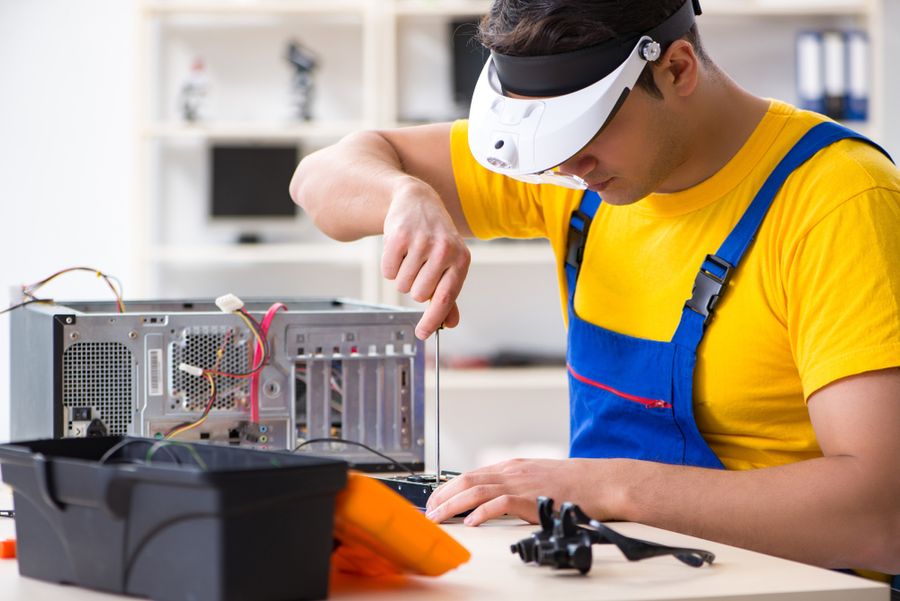
Buying refurbished electronics can be a smart way to get reliable devices without paying full retail prices. Many people hesitate because they worry about quality, hidden damage, or short lifespans. However, when done the right way, buying refurbished can be both safe and practical. With a few simple strategies, you can avoid common mistakes, choose trusted products, and feel confident that you are getting a device that will perform well over time.
Understanding What “Refurbished” Really Means
The term “refurbished” can mean different things depending on the seller. In most cases, it refers to a product that was returned, inspected, repaired if needed, and tested before being sold again. These items are not always used heavily. Some may have been returned due to minor issues or even unopened packaging.
It is important to know the difference between refurbished, used, and open-box items. Refurbished products usually go through a formal process, while used items are often sold as-is. Open-box products may be close to new but might not include full packaging. Understanding these terms helps you set the right expectations and avoid confusion when comparing listings.
Buying From Trusted Sellers Only
One of the safest ways to reduce risk is to buy from reliable sellers. Large manufacturers often sell certified refurbished products directly through their own websites. These items are usually tested to meet specific standards and may include warranties.
Well-known retailers and established online platforms can also be safe options, as long as the seller has a strong track record. Look for clear return policies, detailed product descriptions, and verified customer reviews. Avoid sellers that provide limited information or seem unclear about the product’s condition. Trustworthy sellers make the buying process more transparent and reduce the chance of problems.
Checking Warranty and Return Policies
A good warranty is one of the most important parts of buying refurbished electronics. It shows that the seller stands behind the product and is willing to fix issues if something goes wrong. Even a short warranty can provide peace of mind, especially for devices like laptops, phones, or tablets.
Return policies are just as important. Make sure you have enough time to test the device after it arrives. A flexible return window allows you to check performance, battery life, and overall condition without feeling rushed. If a product does not meet your expectations, a clear return policy gives you a way to resolve the issue without extra stress.
Inspecting Product Condition and Grading
Many refurbished products are sold with a condition grade, such as “like new,” “excellent,” or “good.” These grades describe the physical appearance of the device, not always its performance. A device with light cosmetic wear can still work perfectly, while a better-looking device might not always perform as expected.
Before buying, read the product description carefully. Look for details about scratches, dents, battery health, and included accessories. If photos are available, review them closely. Knowing what to expect helps you avoid surprises and ensures the product meets your needs.
Verifying Specifications and Compatibility
It is easy to assume that all devices in a product line are the same, but that is not always true. Refurbished electronics can come in different configurations, such as storage size, memory, or processor type. Make sure the device you choose matches your needs.
Also, check compatibility with your current setup. For example, confirm that a phone works with your carrier or that a laptop supports the software you use. Taking time to verify these details prevents frustration later and ensures the device will fit into your daily routine without issues.
Testing the Device After Purchase
Once your refurbished device arrives, test it as soon as possible. Turn it on, check all major functions, and make sure everything works as expected. This includes the screen, buttons, ports, speakers, and battery performance.
If the device includes features like cameras or wireless connections, test those as well. Early testing gives you time to act if something is wrong. If you notice any problems, contact the seller right away while you are still within the return or warranty period.
Avoiding Common Buying Mistakes
Many risks come from simple mistakes that are easy to avoid. One common issue is rushing into a purchase without comparing options. Take time to review different sellers and listings before deciding. Another mistake is ignoring product details, which can lead to choosing the wrong model or condition.
It is also important to avoid deals that seem unclear or too vague. If a listing does not provide enough information, it may not be worth the risk. Staying patient and careful during the buying process helps you make better decisions and avoid unnecessary problems.
Making Refurbished Buying a Safe Choice
Buying refurbished electronics does not have to be risky. By understanding what refurbished means, choosing trusted sellers, and paying attention to warranties and product details, you can shop with confidence.
Testing your device early and avoiding common mistakes adds another layer of protection. With a careful approach, refurbished products can offer strong performance and long-term value, making them a practical choice for many everyday tech needs.