

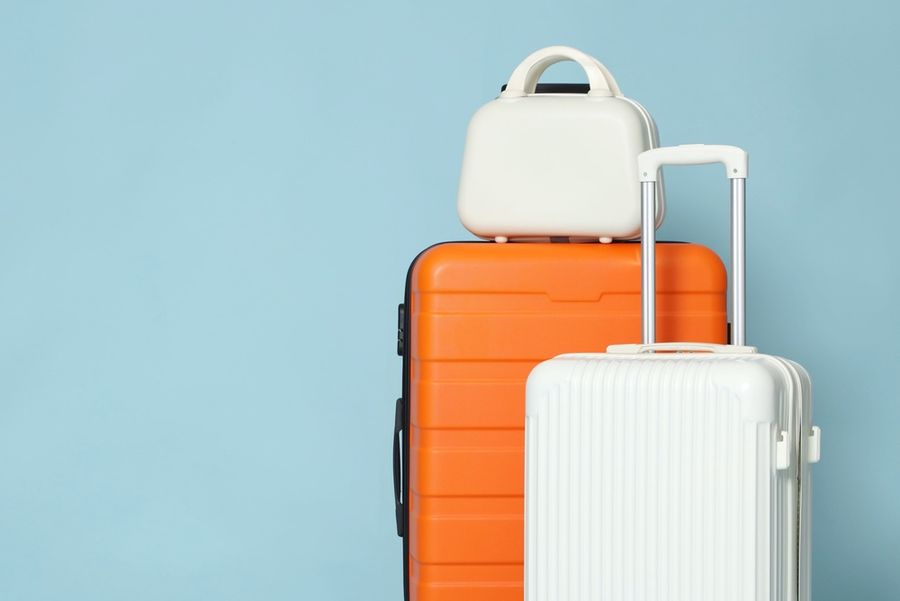
Choosing the right carry-on suitcase can shape how smoothly a trip begins and ends. Size, empty weight, wheel control, organization, durability, and warranty coverage all affect how practical a bag feels during real travel. Some models offer flexible packing and expansion, while others focus on compact dimensions, protective shells, laptop access, or lighter lifting. Comparing those trade-offs makes it easier to find a suitcase that fits your airline rules, packing habits, and travel style.
How the Carry-Ons Were Ranked
The ranking considers practical airline fit, durability and support, maneuverability, and packing flexibility. Practical fit carries the most weight because a spacious bag loses much of its value when it’s difficult to lift, roll, or use with an airline’s baggage rules.
Next, durability and packing features refine the order. When two options are close, the tie-breaker is which one creates fewer compromises between usable space, external size, and empty weight. The order reflects broad carry-on usefulness, not a claim that one model fits every traveler.
Ranked Carry-Ons at a Glance
|
Rank |
Option |
Best For |
Main Reason |
Main Trade-Off |
|---|---|---|---|---|
|
1 |
Frequent domestic travel |
Strong all-around organization |
Larger external dimensions |
|
|
2 |
Compact hardshell packing |
Balanced size and protection |
No expansion zipper |
|
|
3 |
Long-term frequent use |
Exceptional repair coverage |
Heavy when empty |
|
|
4 |
Laptop access |
Protective front compartment |
Reduced main capacity |
|
|
5 |
Lighter lifting |
Low empty weight |
Airline fit needs checking |
Why These Five Carry-Ons Made the List
Each model provides a distinct combination of mobility, packing space, protection, and support. The main question is whether you value flexible storage, compact sizing, long-term repair coverage, laptop access, or a lighter case.
1. Travelpro Platinum Elite Carry-On Spinner: Best for Frequent Domestic Travel
The Travelpro Platinum Elite ranks first because it combines smooth mobility with flexible softside packing and useful organization. Its self-aligning spinner wheels, adjustable handle, wet pocket, garment section, and expansion system support travelers who take varied trips instead of packing the same way every time.
The case weighs 7.8 pounds and measures 23.5 by 14.5 by 9 inches with its wheels and handles included. Travelpro says it has been tested for overhead bins on most major U.S. airlines, although using the two-inch expansion may place it outside an airline’s limits. The bag also includes limited lifetime warranty protection for functional defects, with additional carrier-damage benefits available after registration.
Pros
- Magnetic self-aligning wheels improve control through crowded terminals.
- The softside design includes expansion, garment storage, and several organizing pockets.
Cons
- Its external height and width are larger than those of more compact options.
- Fully expanding the case may prevent it from meeting an airline’s carry-on rules.
Check the limits of the airline you use most often rather than relying only on the carry-on label.
2. Away The Carry-On: Best for Compact Hardshell Packing
Away’s The Carry-On takes second place because it offers a useful balance of protective construction, manageable weight, and relatively compact dimensions. Its polycarbonate shell, compression panel, interior pockets, spinner wheels, and underside grab handle make it well suited to short trips where simple packing and easy lifting matter.
The case measures 21.7 by 14.4 by 9 inches, weighs 7.5 pounds, and has 41 liters of stated capacity. Those dimensions give it an advantage over larger models when practical airline fit is the main concern. Away also includes repair support for the life of the suitcase, although complimentary repairs and replacement protection are subject to time limits and coverage terms.
Pros
- Its compact exterior reduces some of the sizing concerns created by larger carry-ons.
- The hardshell body and compression panel protect and secure packed clothing.
Cons
- The standard model doesn’t provide zippered expansion for extra packing space.
- A rigid shell offers less flexibility when fitting bulky or uneven items.
Choose a flexible model instead when bringing home additional clothing or souvenirs is a regular concern.
3. Briggs & Riley Baseline Essential: Best for Long-Term Frequent Use
The Briggs & Riley Baseline Essential ranks third, but it may move to the top for travelers who care most about repair coverage and long-term use. Its ballistic nylon exterior, corner guards, self-repairing zippers, exterior-mounted handle, garment carrier, and compression system create a durable and highly organized travel case.
Its CX system expands the interior and then compresses it toward carry-on size. However, the suitcase weighs 10 pounds before anything is packed, which limits its broad practicality compared with the two higher-ranked models. It measures 22 by 14 by 9 inches when compressed and reaches 11.5 inches in depth when expanded. Briggs & Riley says its lifetime guarantee includes repairs for airline damage without requiring proof of purchase.
Pros
- The compression system adds space without leaving the bag permanently expanded.
- Its lifetime repair policy covers a broader range of damage than many limited warranties.
Cons
- The high empty weight leaves less room before reaching an airline’s weight allowance.
- Using the full expansion creates a depth that may not qualify for carry-on travel.
Confirm both size and weight restrictions when flying on an airline that weighs cabin baggage.
4. Monos Carry-On Pro: Best for Laptop Access
The Monos Carry-On Pro earns fourth place because its front compartment solves a specific problem especially well. Business travelers can reach a laptop, tablet, passport, and small electronics without placing the case on the floor and opening the main packing area.
The protective compartment can hold a laptop up to 16 inches and includes several pockets for smaller items. The suitcase measures 22 by 14 by 9 inches, weighs 7.8 pounds, and provides 36 liters of stated capacity. Its polycarbonate shell, spinner wheels, compression pad, and limited lifetime warranty strengthen its travel credentials. However, dedicating part of the case to front access leaves less room in the main compartment than more open designs.
Pros
- The front compartment keeps work devices accessible during security checks and delays.
- Its exterior dimensions provide a straightforward starting point for checking airline compatibility.
Cons
- The laptop compartment reduces space available in the main packing area.
- Travelers who use a separate personal-item bag may not need the front-access feature.
Compare the regular Monos Carry-On when internal clothing capacity matters more than device access.
5. Samsonite Freeform Carry-On Spinner: Best for Lighter Lifting
The Samsonite Freeform ranks fifth overall but stands out for travelers who struggle with heavier empty cases. At 6.5 pounds, it’s the lightest model in the ranking. It also includes double spinner wheels, a polypropylene shell, an integrated combination lock, interior dividers, and one inch of expansion.
Its main limitation is external size. The case measures 23 by 15 by 10 inches, which means travelers need to compare it carefully with the published rules for each airline. That concern keeps it below the more compact options even though its low weight and spacious design may work well for road trips or airlines with more generous limits. Samsonite backs the case with a limited 10-year global warranty.
Pros
- Its low empty weight makes the case easier to lift and leaves more room for packed items.
- The expandable interior offers flexibility for travelers who need additional space.
Cons
- Its external dimensions may exceed the cabin-bag limits used by some airlines.
- The limited warranty doesn’t offer the same broad repair promise as Briggs & Riley.
Measure the complete case and check your airline before treating it as a dependable cabin bag.
What Creates the Biggest Differences Between the Rankings
The most important divide is between interior capacity and dependable carry-on fit. A larger or expandable case can hold more, but the extra room offers little benefit when it increases the chance of gate checking. Empty weight creates a similar trade-off. Heavy construction and added organization can feel substantial, yet they also leave less weight available for clothing and personal items.
For that reason, the most durable model isn’t automatically ranked first. The strongest overall choice is the one that combines useful packing features with manageable mobility and realistic airline fit. A lower-ranked option can still lead when one specialized benefit, such as laptop access or broad repair coverage, matters more than general versatility.
How to Choose the Right Carry-On
Frequent domestic flyers who want garment storage, expansion, and exterior pockets should give the Travelpro the most attention, provided its measurements work with their usual airline. Travelers who prefer a protective shell and more compact dimensions may find Away easier to use across different short trips.
The Briggs & Riley becomes more compelling when long-term repair support outweighs empty weight. Monos is the stronger match for someone who works from airports and wants a protected laptop compartment. Samsonite may move ahead for travelers who need the lightest possible case, but only after its full exterior dimensions have been checked against the airline’s rules.
Match the Bag to the Trip You Take Most Often
The ranking favors practical carry-on versatility, manageable movement, and fewer sizing compromises. Your own order may change when repair coverage, laptop access, expansion, or low empty weight matters most. Be sure to check the airline’s current size and weight rules, then compare them with the manufacturer’s complete exterior measurements before choosing a case.