

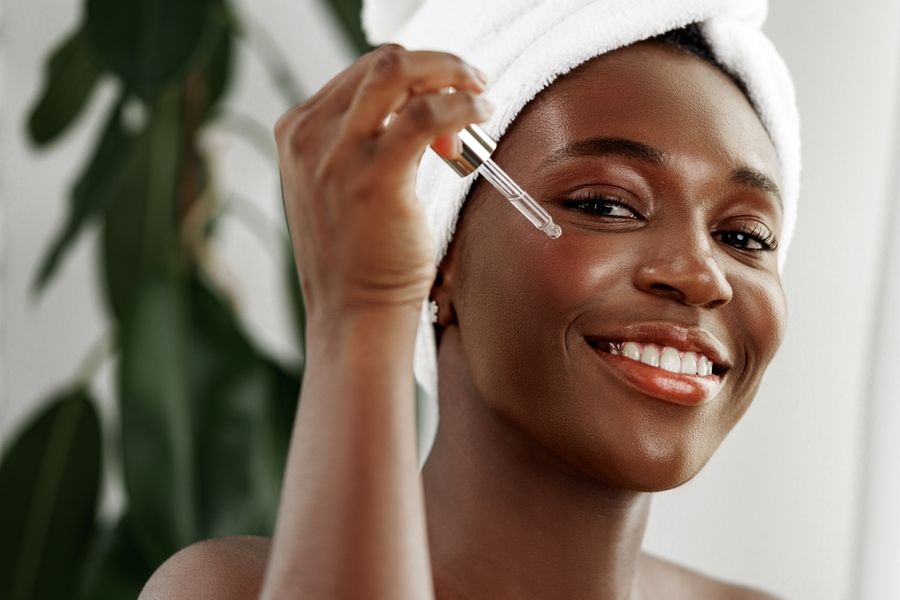
Hyaluronic acid has become one of the most recognized ingredients in modern skincare, but many consumers still wonder what it actually does and whether it belongs in their routine. The ingredient's appeal comes from its ability to support skin hydration and comfort, yet choosing the right product depends on individual goals, existing products, and expectations for results. Understanding how hyaluronic acid works can help shoppers make more informed skincare decisions without adding unnecessary steps or confusion.
What Hyaluronic Acid Actually Is
Hyaluronic acid is a naturally occurring substance found throughout the body, including the skin. In skincare products, it is mainly used as a humectant, meaning it helps attract and hold water around the skin’s surface. That hydration-focused role is why it appears in many serums, creams, and moisturizers designed for dry or dehydrated skin.
A common misconception is that hyaluronic acid works like a heavy moisturizer that coats the skin. Instead, it is better understood as a hydration-supporting ingredient that helps increase water content. The ingredient itself does not replace every part of a skincare routine. Many people still need products that support the skin barrier by helping reduce moisture loss.
The practical value of hyaluronic acid comes from how it complements other skincare ingredients. A person using a drying active ingredient or dealing with seasonal dryness may look for hydration support that improves skin comfort without adding a heavy texture.
How Hyaluronic Acid Works in a Skincare Routine
Hyaluronic acid is usually applied through products such as serums, lotions, or moisturizers. The ingredient interacts with water in the skin’s environment, helping maintain hydration and creating a smoother, more comfortable feel. The exact experience depends on the product formula, concentration of ingredients, and the rest of the routine.
A typical routine may include cleansing, applying a hydration-focused product, and following with a moisturizer to help maintain moisture. Moisturizers often combine humectants like hyaluronic acid with other ingredient categories that soften skin or help prevent water loss.
Ingredient compatibility also matters. Someone using exfoliating products, retinoids, or other potentially drying treatments may view hyaluronic acid as a supporting step rather than a standalone solution. The ingredient can add hydration, but it does not automatically correct every cause of dryness or irritation.
How Hyaluronic Acid Differs From Other Hydrating Ingredients
Hyaluronic acid is only one of several ingredients commonly used to support skin hydration, and understanding the differences can help consumers choose products that better match their needs. While hyaluronic acid primarily works as a humectant that helps attract and hold water, other ingredients serve different roles in a skincare formula.
For example, glycerin is another humectant that helps draw moisture toward the skin, while ceramides are lipids that help support the skin barrier and reduce moisture loss. Ingredients such as squalane are often used to soften the skin and improve a moisturizer’s ability to maintain a comfortable feel. Many well-formulated products combine multiple ingredient types because hydration often depends on both adding moisture and helping the skin retain it.
The best choice depends on the concern a person is trying to address. Someone focused on a lightweight hydration boost may prefer hyaluronic acid, while someone dealing with persistent dryness may look for formulas that also include barrier-supporting ingredients. Understanding those differences helps consumers evaluate a product based on the complete formula instead of focusing on a single ingredient name.
Who Benefits Most From Hyaluronic Acid
Hyaluronic acid can be a useful option for people looking to improve the feel and appearance of dehydrated skin. The best fit usually depends on the person’s current routine and what they want a product to accomplish.
- Someone noticing tight or uncomfortable skin after cleansing may benefit from added hydration support because hyaluronic acid can help attract moisture without creating a heavy feel.
- A person building a simple routine may prefer a moisturizer or serum containing hyaluronic acid because it combines easily with other common skincare steps.
- Someone using drying skincare ingredients may appreciate a hydration-focused product that helps support overall skin comfort alongside other routine adjustments.
- A person experiencing seasonal changes in skin texture may consider hyaluronic acid as part of a broader approach to maintaining moisture levels.
The ingredient safety question is also important for many consumers. Topical hyaluronic acid products are generally considered safe for most people, although individual skin reactions can vary depending on the complete formula and other ingredients included.
Common Hyaluronic Acid Mistakes That Affect Results
One common mistake is assuming hyaluronic acid can replace every other step in a skincare routine. While the ingredient can support hydration, a serum containing hyaluronic acid may not provide the same benefits as a moisturizer designed to help maintain the skin barrier. Many consumers get better results when they consider how each product contributes to the overall routine.
Another mistake is choosing products based only on the popularity of an ingredient rather than considering the formula as a whole. A product’s texture, additional ingredients, and compatibility with existing skincare products can all influence how comfortable it feels. Consumers may also expect hyaluronic acid to solve concerns unrelated to hydration, which can lead to disappointment.
A more practical approach is viewing hyaluronic acid as one tool within a broader skincare strategy. Matching the product format and ingredients to personal goals can help create a routine that feels manageable and supports consistent use over time.
Cost and Commitment Factors
The commitment involved with hyaluronic acid is usually less about the ingredient itself and more about maintaining a consistent skincare routine. Consumers may find it in standalone serums, moisturizers, masks, and combination products, allowing them to choose an approach that matches their existing habits.
A separate serum may appeal to someone who wants to customize their routine, while a moisturizer containing hyaluronic acid may be more practical for someone who prefers fewer steps. The right choice depends on how much flexibility a person wants and whether they enjoy layering multiple products.
Consumers should also consider that hydration products work best as part of a broader routine. Consistent cleansing habits, moisturizer use, and protection from environmental stressors often influence overall skin comfort more than adding a single ingredient alone.
How to Decide if Hyaluronic Acid Fits Your Routine
The factor many consumers overlook is that the best skincare ingredient is usually the one that fits their routine consistently. Hyaluronic acid can be valuable for people prioritizing hydration, but expectations should match what the ingredient is designed to do.
Someone with primarily dehydrated or uncomfortable-feeling skin may find that adding a hydration-focused product improves routine satisfaction. The trade-off is that the ingredient may not address concerns unrelated to moisture, such as significant irritation, pigmentation, or advanced signs of aging.
Someone who already uses multiple active ingredients may want to focus on overall formula compatibility rather than simply adding another step. For consumers building a routine around skin comfort, hyaluronic acid is often worth considering because it serves a clear purpose without requiring a complicated approach.
Understanding the ingredient’s role helps prevent unrealistic expectations. Hyaluronic acid is not a complete skincare routine by itself, but it can be a useful hydration tool when paired with products and habits that support the person’s specific goals.
Finding the Right Role for Hyaluronic Acid
Hyaluronic acid can be a useful addition for people who want more hydration, improved skin comfort, and a routine that feels easy to maintain. Its value depends on choosing a formula that fits personal needs and pairing it with products that support moisture retention. By focusing on the full routine rather than one popular ingredient, consumers can make more practical skincare choices and set realistic expectations for results.